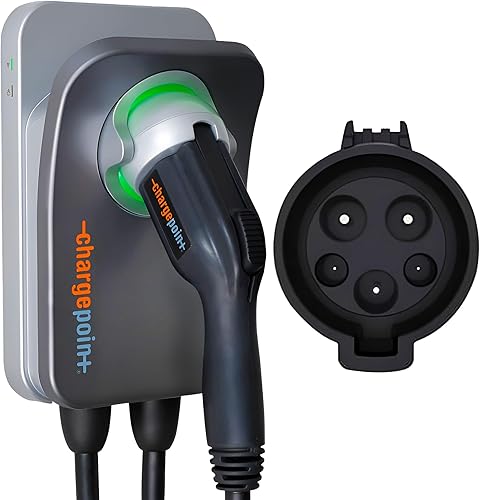
ChargePoint Home Flex
16-50A adjustable, NEMA 14-50 or hardwire, polished app with Alexa.
We compare every Level 2 home EV charger on the specs that matter: amperage, charging speed, smart features, and compatibility with your car.

I'm Jacob. ChargeCompared is a research desk, not a test garage: every ranking is built from spec sheets, certification records, and verified-buyer reports.
Every comparison on this site is built from manufacturer spec sheets, weekly live Amazon price checks, and the 50 top-helpful verified-buyer reviews on each product. No sponsorships. No accepted review units. Nothing changes based on what you buy.
Six chargers we'd actually buy. Pulled from our flagship Level 2 comparison.
16-50A adjustable, NEMA 14-50 or hardwire, polished app with Alexa.
48A hardwired, 25 ft cord, PowerSmart load management built in. ENERGY STAR certified.
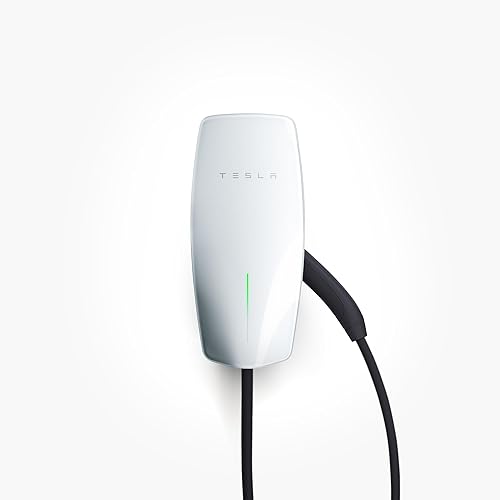
Native NACS at 48A, 44 mi/hr on Tesla, deep Tesla app integration.
40A in a heavy metal NEMA 4 enclosure. Optional WiFi app; charges with or without a connection.
48A hardwire, dual-protocol WiFi + Bluetooth, NEMA Type 4 outdoor-rated.
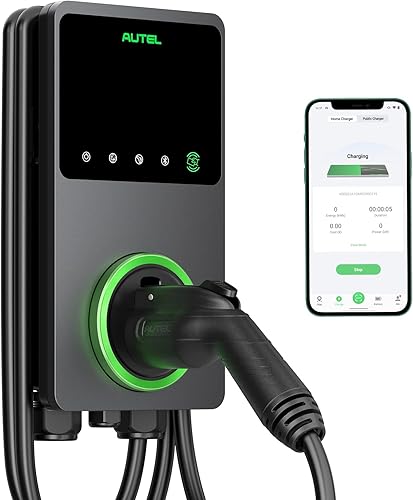
50A, hardwire or plug-in, the cleanest enclosure design on the market.
One charger you can pack in the trunk against one built to stay bolted to an exterior wall, and what the 32A to 40A gap actually costs you overnight.
NEC 625.54 is written about receptacles, so the plug-in or hardwired choice decides the answer before the brand does.
Read the rules →The timing of the trip tells you whether it's an overload or a ground fault, plus the chargers whose current you can dial down.
Read the fix →Every Level 2 home EV charger ranked side by side on amperage, speed, smart features, and price.
View Rankings →How to tell whether the cord that came with your EV is enough, or whether a 240V Level 2 upgrade actually pays off.
Read the Guide →Home charging upgrade decision: the included Mobile Connector vs. the hardwired Wall Connector, plus universal options.
View Comparison →What a Level 2 install actually costs once labor rates, panel capacity, and permit fees vary by where you live.
Read the Guide →Two of the most popular smart chargers, compared on every spec from amperage to app features.
View Comparison →A switch-set 40A plug-in against a hardwire-only 48A smart unit. The circuit you already have decides this one.
View Comparison →Two hardwire-only 48A units that deliver the same 11.5 kW. The handle on the cable and the enclosure rating settle it.
View Comparison →A NACS-only wall unit against a J1772 charger that plugs in. The connector on the cable decides this one, not the amps.
View Comparison →A 40A steel box with no app against a 50A adjustable charger with WiFi. Which one your panel can actually feed.
View Comparison →A NACS-only hardwired 48A unit against an adjustable J1772 plug-in. Which one your driveway can actually live with.
View Comparison →Hardwire-only durability vs. flexible plug-and-play: which 48A charger fits your garage and your future.
View Comparison →Smart WiFi scheduling vs. industrial-grade simplicity: two 40A+ chargers on opposite sides of the smart-hardware divide.
View Comparison →Built-in Magic Dock J1772 adapter vs. a lower-priced J1772-only charger with a deeper scheduling app.
View Comparison →Built-in NACS and J1772 adapter for any EV vs. a no-app, no-frills charger at a lower price.
View Comparison →The top chargers for Tesla owners. Wall Connector vs. third-party options with NACS compatibility.
View Guide →Every budget-friendly Level 2 charger ranked by specs, features, and real owner feedback.
View Guide →Portable and wall-mounted chargers for 32-amp panels and older EV models. Compare portability, smart features, and price.
View Guide →EV chargers rated for extreme heat. Steel enclosures, smart scheduling, and heat-resistant cables for Arizona and Texas.
View Guide →Top portable Level 2 chargers for road trips and renters. No hardwiring required.
View Guide →Top plug-in Level 2 chargers for existing NEMA 14-50 outlets. No new circuit needed if the outlet is already there.
View Guide →High-amperage chargers that can handle the Lightning's massive battery. 80A options included.
View Guide →Weather-resistant chargers rated for outdoor installation. NEMA 4 and IP66 models compared.
View Guide →The top home chargers for the Bolt's 48A onboard charger. Smart features, value, and speed compared.
View Guide →Cable reach and weatherproofing compared for chargers built to live in a detached garage or carport.
View Guide →Top home chargers matched to the Ioniq 5's 11kW (48A) onboard limit. Covers J1772 today and the NACS adapter path for new model years.
View Guide →The best home chargers for Ford's electric crossover. Full 48A charging speeds matched to the Mach-E's 11.5 kW onboard charger.
View Guide →Top home chargers for the Kia EV6's 800V architecture. ChargePoint Home Flex, Grizzl-E, and Emporia compared.
View Guide →Top home chargers for the VW ID.4's 11 kW onboard charger. J1772 compatible 48A and 40A models compared.
View Guide →Top home chargers for the Rivian R1T's 48A onboard charger. Tesla NACS, Emporia, and ChargePoint compared.
View Guide →Cord-flex ratings and operating temperature matter more than spec sheets admit. Picks that survive Northeast and Mountain West winters.
View Guide →The price-performance sweet spot for most EVs. Three Level 2 chargers that hit 40A continuous without forcing a panel upgrade.
View Guide →Max speed for non-truck EVs. Three Level 2 chargers that hit 48A continuous on a 60A circuit.
View Guide →Plug-and-charge picks for owners who want their charger to outlive the manufacturer's app team.
View Guide →Three chargers that play well with home solar: dynamic surplus matching, native ecosystem integration, or honest about the trade.
View Guide →Three top smart Level 2 chargers compared on app depth, solar integration, and 12-month reliability.
View Comparison →Load-sharing setups for two-EV households. Wallbox Power Sharing, Tesla Power Sharing, or budget single-charger + NEMA.
View Guide →Plug-in outlet or permanent hardwire connection: install cost, code rules, and charging speed compared for each path.
View Comparison →The lowest-price 48A charger that still ships certified, compared against two pricier alternatives worth the extra money.
View Comparison →Why a 48A charger needs a 60A breaker, the wire size to ask your electrician for, and why a NEMA 14-50 outlet can't carry the full 48A.
View Comparison →How much headroom a 100A panel really has, what amperage fits without a service upgrade, and three chargers sized for a tight panel.
View Comparison →The right charger for a rental or condo starts with install type, not amperage. What renters can set up without touching the panel, and when landlord sign-off comes into play.
View Comparison →Plugging into an existing outlet may skip the permit; hardwiring almost always needs one. Costs, risks, and chargers for either path.
View Comparison →Going hardwired locks in your charger choice, so make it count: full-power 48A picks and the decisions worth settling before the electrician arrives.
View Comparison →What each amp tier actually delivers in charging speed, how to find your car's onboard limit, and the breaker size each one needs.
NACS, J1772, and CCS explained in plain terms, plus which home Level 2 charger fits a Tesla-only, J1772-only, or mixed-EV garage.
View Guide →Two app-free chargers head to head: the Grizzl-E's extra amperage and lower price against ClipperCreek's commercial-grade pedigree.
View Comparison →Hardwired multi-EV charging against a plug-in charger you can take with you. Which one actually fits how you charge.
View Comparison →NACS-only hardwired speed against a J1772 charger that packs up and travels. Which install actually fits your situation.
View Comparison →A no-electrician plug-in charger against a 50A unit that can hardwire and tie into Alexa. The amperage gap matters less than the mounting method.
View Comparison →An app-connected 40A charger against a DIP-switch unit with no app at all. Neither wins on speed, so the choice comes down to whether you want a phone in the loop.
View Comparison →Two app-controlled plug-in chargers, but only one reaches a full 48A and only one ties into a whole-home energy monitor. Here's how the tradeoff actually breaks down.
View Comparison →A fixed-mount 40A plug-in with app control and weatherproofing against a 32A portable that unplugs and travels with you. The real question is whether the charger needs to leave with you.
View Comparison →Same 40A hardware, same rugged enclosure: is the Classic Connect's WiFi app worth stepping up a price tier over the plain Classic?
View Comparison →Everything you need to know before buying: plug types, amperage, smart features, and installation costs.
Read Guide →Calculate your monthly and yearly charging costs based on your electricity rate and driving habits.
Use Calculator →Step-by-step installation walkthrough. Electrical requirements, permits, costs, and DIY vs. electrician.
Read Guide →| Charger | Amps | Speed | Smart | Price | Link |
|---|---|---|---|---|---|
| ChargePoint Home Flex | 50A | 37 mi/hr | WiFi, App, Alexa | $$$$ | View |
| Emporia Pro Level 2 | 48A | 36 mi/hr | WiFi, App, Load mgmt | $$$$ | View |
| Tesla Wall Connector | 48A | 44 mi/hr | WiFi, App | $$$$ | View |
| Grizzl-E Classic Connect | 40A | 30 mi/hr | WiFi + app (optional) | $$$$ | View |
Price tiers are approximate. $ = under $50, $$ = $50 to 150, $$$ = $150 to 300, $$$$ = over $300. Tap any link for the current Amazon price.
Our buyer's guide walks you through everything. Plug types, amperage, installation costs, and smart features.
Read the Complete Guide →