Quick answer: if it is a Tesla and you are hardwiring, the Tesla Wall Connector is built for exactly that job. Driving anything else, the Grizzl-E Classic Connect is the weatherproof pick, and its WiFi module is optional rather than required. Want to skip the app entirely and just set an amperage dial, the same Grizzl-E Classic Connect does that too, since the module either goes on or it doesn't.
Detached Garage Verdicts at a Glance
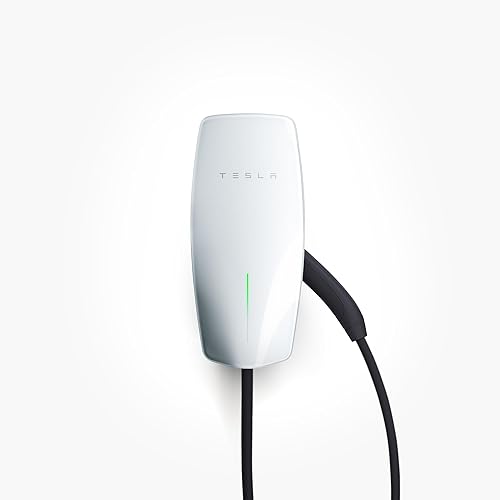
Tesla Wall Connector
Full 48A charging over NACS with a 24-ft cable, made to be permanently mounted and left alone for years, rain or shine.
View on Amazon →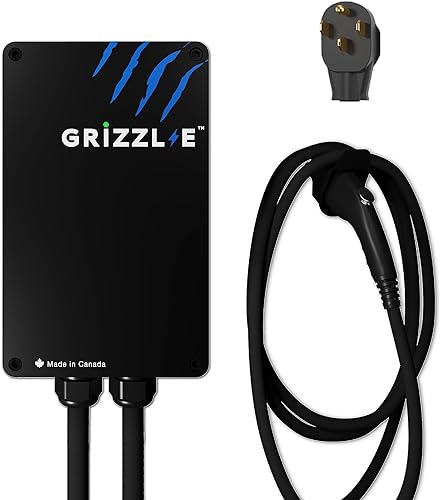
Grizzl-E Classic Connect
40A through a J1772 cable in a housing built to live outside, with an optional WiFi module for scheduling if you want it.
View on Amazon →
Grizzl-E Classic Connect
The same hardware without the WiFi module installed still charges at 40A, set entirely by the dial on the unit itself.
View on Amazon →Detached Garage Shortlist, Spec by Spec
A detached structure changes the priorities from a normal garage install: cable reach, weather resistance, and how much new wiring the job needs all matter more than they would on an attached wall next to the panel.
| Charger | Amps | Cable | Connector | Wiring Needed | Price | Link |
|---|---|---|---|---|---|---|
| Tesla Wall Connector | 48A | 24 ft | NACS (Tesla only) | Hardwire, dedicated circuit | $$$$ | View |
| Grizzl-E Classic Connect | 40A | 24 ft | J1772 | NEMA 14-50 plug or hardwire | $$$$ | View |
Price tiers are approximate. $ = under $50, $$ = $50 to 150, $$$ = $150 to 300, $$$$ = over $300. Tap any link for the current Amazon price.
Detached Garage Owners on Living With These Chargers
Cable reach and weatherproofing only show up as problems after the install. Here's what shows up repeatedly in verified-purchase Amazon reviews for the chargers in this comparison, paraphrased rather than quoted.
Tesla Wall Connector (4.8-star verified-buyer average)
Owners who mounted this in a detached garage or carport consistently describe the cable as long enough to reach a car parked at an angle without stretching, and the enclosure holding up through multiple winters outdoors. The most common install note is running conduit to a detached structure costs more than people expect going in, which is a wiring reality rather than a fault of the charger itself.
Grizzl-E Classic Connect (4.4-star verified-buyer average)
Verified buyers describe the metal housing as noticeably heavier-duty than plastic competitors, with several specifically mentioning it living outside, uncovered, without issue. A few reviewers flag that the optional WiFi module is easy to skip if you just want a plug-in charger that works without ever opening an app.
Jacob’s read on this category
The detached garage question is really an electrical question wearing a shopping question's clothes. Before comparing chargers, walk out to the structure and check two things: how far the parking spot sits from where a unit would mount, and whether the structure is fully enclosed or open on one side like a carport. Both chargers here clear the 24-foot cable bar for a typical single-car structure, so the decision mostly comes down to which vehicle you drive and whether you want the WiFi module at all. Buy the hardware that will still make sense five years from now rather than the cheapest option that clears today's bar.
Why a Detached Garage Wires Differently
An attached garage usually sits a few feet from the main electrical panel, so a hardwired 240V circuit is a straightforward pull through the wall. A detached garage or a carport at the end of the driveway is a different job: the power typically has to travel underground in conduit to a subpanel installed inside the detached structure, and the charger then wires off that subpanel rather than the house panel directly.
That distance is also why cable length matters more here than it does for an attached-garage install. A charger mounted on the subpanel wall still needs its cable to physically reach wherever the car parks, and detached structures tend to have less predictable parking geometry than a garage bay built around one car.
Cable Reach and Weather Exposure
The Tesla Wall Connector and Grizzl-E Classic Connect both ship with 24-foot cables, long enough to cover most single-car detached garages and carports without stretching the cord taut or forcing an awkward parking angle. That tie means cable length is not the deciding factor between them; where the car's charging port sits relative to the mounting wall, and which side of the vehicle the port is on, matters more in practice.
Weather exposure is the other detached-garage difference. A carport with an open side, or a garage that is not fully conditioned, puts more strain on a charger's housing than a climate-controlled attached garage does. The Grizzl-E Classic Connect's aluminum enclosure and the Tesla Wall Connector's outdoor-rated housing are both built with that kind of exposure in mind; neither is marketed as a fair-weather-only unit.
Smart Features
The Grizzl-E Classic Connect's WiFi module is optional rather than built in, which is a genuine advantage for a detached structure: if the garage sits at the edge of your home WiFi's range, you can skip the app entirely and the charger still works exactly the same, set by the amperage dial. Add the module later if the signal reaches, or never bother.
The Tesla Wall Connector pairs with the Tesla app for scheduling and energy history when it is on the same account as the car, which works over WiFi at the same range considerations as any smart device out in a detached structure. Neither charger requires the smart layer to function at its full rated amperage; both fall back to simple, dependable charging if the WiFi signal never reaches that far.
Installation
Hardwiring either the Tesla Wall Connector or the Grizzl-E Classic Connect into a detached garage that does not already have 240V power out there typically means trenching for conduit, a subpanel, and a licensed electrician's time, which commonly runs well beyond what the same job costs on an attached wall. Get quotes from more than one electrician for a detached run specifically, since distance and trenching conditions vary the price more than the charger choice does.
If the detached garage already has a 240V outlet, usually a NEMA 14-50 originally wired for a shop tool, RV, or dryer, the Grizzl-E Classic Connect in its plug-in configuration works without touching the existing wiring, provided the circuit's breaker rating supports the 40A draw. The Tesla Wall Connector is hardwire-only, so it always needs a dedicated circuit run regardless of what outlets already exist. One budgeting note: the Section 30C federal tax credit is gone for new installs placed in service after June 30, 2026, though work completed by that date can still claim 30% up to $1,000. Check your state and utility for rebate programs on the electrical work itself.
A permit is typically required for a new subpanel and circuit run regardless of which charger goes on the wall; check local requirements before work begins, since inspection timelines can affect how quickly the garage is usable.
Which Charger to Get for a Detached Garage
Get the Tesla Wall Connector if you drive a Tesla and are hardwiring a new circuit anyway. The 24-ft cable and outdoor-rated housing are built for exactly this kind of standalone install.
Get the Grizzl-E Classic Connect if you drive any other EV and want a weatherproof unit that works the same whether or not your garage gets a WiFi signal. It handles both plug-in and hardwired setups.
Skip the WiFi module on the same Grizzl-E Classic Connect if a detached structure's distance from your router makes a smart connection unreliable anyway. The charger runs identically off its analog amperage dial either way.
FAQ
How We Picked These for a Detached Garage
We started from the two variables that actually change with distance from the main panel: cable length and enclosure durability, since a detached structure exposes hardware to weather more than an attached garage typically does. Amazon listings and current pricing were re-checked on October 17, 2026, and each candidate's cable length and connector type were confirmed against the manufacturer's own listing rather than assumed from a sibling model in the lineup.
No manufacturer pays for placement here and we do not accept review units. If you want the full picture on wiring a detached structure specifically, our NEMA 14-50 vs hardwire comparison walks through the tradeoff in more depth, and the permit guide covers what most jurisdictions require before a subpanel goes in. If you are weighing whether the WiFi module is worth adding at all, our Grizzl-E Classic vs Connect comparison digs further into that specific tradeoff.