Quick answer: this isn't a hardware decision, it's a software decision. Both the Grizzl-E Classic and Grizzl-E Classic Connect charge at the same 40A through the same industrial enclosure. The only thing separating them is whether you want a WiFi app layered on top, and whether that's worth paying for versus flipping a switch by hand.
The Two Options, Side by Side
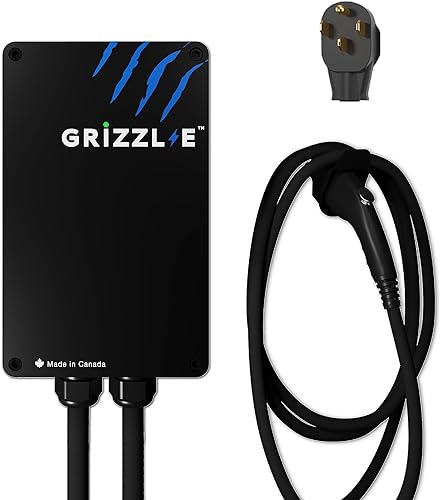
Grizzl-E Classic Connect
Everything the Classic does, with a WiFi app layered on top for schedules and remote monitoring when you want it, and normal offline charging when you don't.
See it on Amazon →
Grizzl-E Classic
The proven, no-frills version. Set your amperage once with the internal DIP switches and never think about firmware or WiFi pairing again.
Check availability on Amazon →Spec by Spec: What Actually Changes
Strip away the marketing and there are exactly two differences between these units: whether a WiFi radio is inside the case, and the price tier that comes with it. Everything about how the electricity actually gets to your car is identical.
| Charger | Max Amps | Connector | Smart Features | Amp Adjustment | Price | Link |
|---|---|---|---|---|---|---|
| Grizzl-E Classic Connect | 40A | J1772 | Optional WiFi app, scheduling, remote monitoring | Internal switches, plus app control when connected | $$$$ | View |
| Grizzl-E Classic | 40A | J1772 | None (plug-and-charge) | Internal DIP switches only | $$$$ | View |
Price tiers are approximate. $ = under $50, $$ = $50 to 150, $$$ = $150 to 300, $$$$ = over $300. Tap any link for the current Amazon price.
What Owners of Each Unit Report
Spec sheets only tell half the story. Here's what shows up repeatedly in verified-purchase Amazon reviews on each product page, paraphrased rather than quoted.
Grizzl-E Classic (4.6-star verified-buyer average)
Long-term owners describe a simple, durable unit that keeps working the same way years after install, with no Bluetooth, WiFi, or programming to manage. The cast-aluminum enclosure draws repeated praise as industrial-grade, and owners report it staying cool even at a sustained 40A draw through hot summers. The one recurring wish is for app-based amperage control, though the unit already covers 16A, 24A, 32A, and 40A through the internal DIP switches, just without a phone screen involved.
Grizzl-E Classic Connect (4.4-star verified-buyer average)
Owners who bought the Connect specifically for the app describe the setup process as quick, and several highlight that losing WiFi at home didn't stop the unit from charging normally. The build quality gets the same industrial-grade description as the Classic, since it's the same enclosure underneath. Where feedback splits is around the app itself: some owners report it does exactly what they need for scheduling, while others say they rarely open it after the first week and would have been just as happy with the cheaper unit.
Jacob's read on this category
Owner reports on the DIP-switch version of this charger are consistent: most people set the amperage once and never touch it again, app or no app. The Connect earns its keep specifically for time-of-use electricity plans, where shifting charging to a cheap overnight window actually saves real money every month. If your utility bills a flat rate regardless of when you plug in, you're paying for a feature you'll open twice and forget about. Buy based on your electric rate plan, not on whether an app sounds nice to have.
The WiFi App, Explained Honestly
The Classic Connect's app handles scheduling, so you can set charging to start at 11 PM and stop before your utility's peak rate window begins, plus basic session monitoring so you can see when your car last topped off. It connects over 2.4 GHz WiFi, and setup is a one-time pairing step in the app, not a recurring hassle.
Crucially, the charging circuit itself does not depend on that connection. If your router goes down or you never pair the app at all, the Classic Connect still charges your car exactly like the plain Classic does. That's a meaningful distinction from smart chargers that require an active app connection to function; readers weighing that trade-off more broadly should see our roundup of chargers with no app dependency, where this nuance matters even more.
The plain Classic skips all of this. There's no WiFi radio in the case, so there's nothing to pair, update, or troubleshoot. If your electricity plan is flat-rate, or you simply plug in whenever the car is home, you'll never miss a feature you never needed.
Installation and Amperage
Both units support 16A, 24A, 32A, and 40A output, set with the same internal DIP switches inside the case; readers unfamiliar with why that range matters can see our breakdown of EV charger amperage tiers. On the Connect, the app layers scheduling on top of whichever amperage you've set, but doesn't change the underlying hardware limit.
Both chargers install the same way: plug into an existing NEMA 14-50 outlet if you have one, or hardwire for a permanent, outlet-free setup. Neither model changes that calculus, so the decision between plug-in and hardwired comes down to what your panel and garage already support; our NEMA 14-50 vs hardwire comparison walks through that choice in more depth.
Running a new 240V circuit typically costs $300 to $800 with a licensed electrician, depending on panel location and local labor rates. The federal Section 30C EV-charger tax credit expired for installs placed in service after June 30, 2026, so new home installs no longer qualify; check for state and utility rebates instead, which are often still active.
Which One to Buy
Get the Grizzl-E Classic Connect if your utility offers time-of-use rates and you'll actually use scheduling to shift charging to cheaper overnight hours, or if you simply like being able to check charging status from your phone.
Get the Grizzl-E Classic if you're on a flat-rate plan, plug in on a predictable routine, or would rather not manage another app on your phone. You lose nothing on charging speed or build quality by saving the difference.
FAQ
How We Fact-Checked This Comparison
We cross-referenced both units against the manufacturer's own product listings and current Amazon pages, confirming the shared 40A output, J1772 connector, and cast-aluminum enclosure before writing a single comparison row, then sampled the top-helpful verified reviews on each product page as of October 17, 2026. Where the Classic Connect's exact amperage-adjustment mechanism wasn't independently confirmable beyond the shared DIP-switch base, we said so rather than guessing.
No manufacturer pays for placement here and we do not accept review units; the picks come from manufacturer spec sheets, certification listings, and the recurring themes in verified-buyer reviews.
Prices and availability reflect Amazon listings at time of writing. Confirm on the product page before purchase.