Quick answer: this comparison comes down to whether you want your charger to talk to your phone or just work. The Autel MaxiCharger adds WiFi and Bluetooth for app scheduling, energy tracking, and adjusting amperage after the fact. The Grizzl-E Classic skips the electronics entirely and sets its 40A ceiling once with an internal DIP switch, for a lower price tier.
Two 40A Chargers, One Fork in the Road
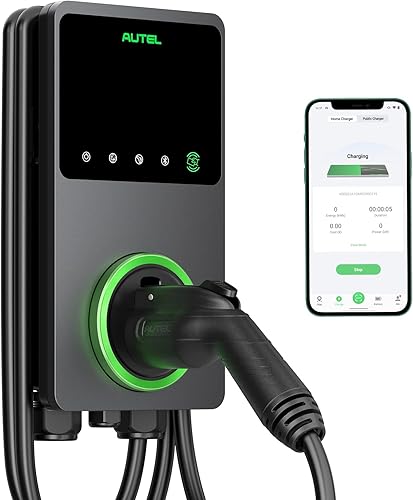
Autel MaxiCharger
WiFi and Bluetooth bring app scheduling, live energy tracking, and an amperage dial you can move from 16A to 40A without opening the enclosure.
View on Amazon →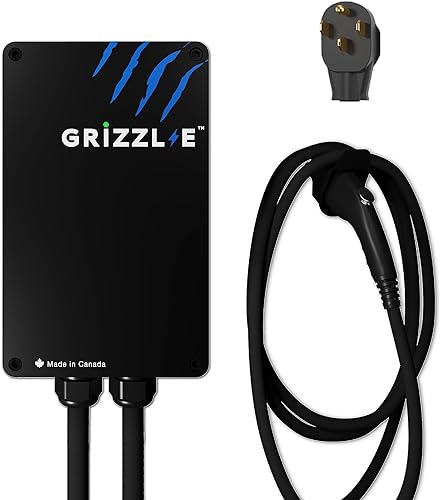
Grizzl-E Classic
A steel NEMA 4 box that charges at whatever the internal DIP switch says, with no app, WiFi radio, or firmware to maintain, ever.
See it on Amazon →
Grizzl-E Classic
The same hardware, just priced a tier lower than the Autel, for buyers who have already decided smart features aren't worth paying for.
See it on Amazon →Amperage, App, and Enclosure: Spec by Spec
Both chargers use the standard J1772 connector and plug into a NEMA 14-50 outlet, so the real differences are how each one gets configured and what it costs.
| Charger | Amps | Amperage Control | Smart Features | Enclosure Rating | Price | Link |
|---|---|---|---|---|---|---|
| Autel MaxiCharger | 16-40A adjustable | App-based | WiFi, Bluetooth, App | NEMA 4X | $$$$ | View |
| Grizzl-E Classic | 40A | Internal DIP switch | None | NEMA 4 | $$$$ | View |
Price tiers are approximate. $ = under $50, $$ = $50 to 150, $$$ = $150 to 300, $$$$ = over $300. Tap any link for the current Amazon price.
What Buyers Say After Months on the Wall
Spec sheets only tell half the story. Here's what shows up repeatedly in verified-purchase Amazon reviews for each charger, retold in our own words rather than quoted.
Autel MaxiCharger
Owners frequently describe the setup process as quick once the app finds the unit over Bluetooth, and several report the energy-tracking dashboard as more detailed than what came with a previous charger. A recurring caution: some buyers in fringe-WiFi garages mention the app occasionally losing its connection to the unit, though charging itself keeps running through those gaps.
Grizzl-E Classic (4.6-star verified-buyer average)
Reviews read like a hardware spec sheet: buyers describe a no-frills steel box that stays cool at its full 40A draw, and multi-year owners keep reaching for words like simple and durable for a unit with no radios or programming to maintain. The industrial, all-metal build is the through-line across the 4-and-5-star write-ups.
Jacob’s read on this category
Across both styles of charger, the app question answers itself faster than most buyers expect. If you already schedule off-peak charging through your utility's own app or your car's onboard timer, the Autel's scheduling layer is redundant, and the Grizzl-E gets you to the same overnight full charge for less money. Where the Autel earns its keep is a shared panel: being able to nudge the amperage down from the app after a dryer or a second EV joins the circuit, without a service call, is worth the premium for some households and worth nothing to others.
Why 40A Is the Ceiling for Both
Neither charger pushes past 40A, which caps them both at roughly 9.6 kW on a 240V circuit. That's plenty for the vast majority of EVs and daily driving patterns; a 40A charger adds around 30 miles of range per hour to most J1772 vehicles, which covers a typical commute several times over during an overnight session.
If your household regularly needs faster daytime top-ups, or you're comparing against 48A or 50A units, see our 48A EV charger roundup for options that step past this ceiling. For most single-EV garages, though, 40A is not the limiting factor in how fast your car charges; it's how long the car sits plugged in.
App Control vs a DIP Switch
The Autel MaxiCharger's app handles scheduling, session history, and live energy tracking, and it's also how you change the amperage after the initial install, useful if your available panel capacity shifts later. It connects over WiFi for remote control and Bluetooth for local pairing during setup.
The Grizzl-E Classic has no app, no WiFi radio, and no firmware to update. An installer sets the amperage once with an internal DIP switch, and it stays there. You lose remote scheduling and energy logging, but you also lose the entire category of complaints that come with connected hardware: dropped connections, app redesigns, and phone-required troubleshooting. If you want a deeper look at charging without any app at all, our no-app charger guide covers more options in the same spirit as the Grizzl-E.
Installation and Mounting
Both chargers plug into a standard NEMA 14-50 outlet, the same one a dryer uses, so if your garage already has that outlet, either unit is close to plug-and-play. Neither ships hardwire-only, and both need a dedicated 240V circuit sized to the breaker your electrician recommends for the amperage you plan to run.
Running a new 240V circuit typically costs $300 to $800 with a licensed electrician, depending on distance from the panel and local labor rates. The Section 30C federal credit ended for new installs placed in service after June 30, 2026; installs finished by that date can still claim 30% of the cost, up to $1,000. For anything newer, check your state and utility for rebate programs, and see our permit guide if you're unsure whether your jurisdiction requires one.
Both chargers carry outdoor-rated enclosures (NEMA 4X on the Autel, NEMA 4 on the Grizzl-E), so either can go on an exterior wall or in an unheated garage without extra weatherproofing.
Which One to Buy
Get the Autel MaxiCharger if you want to adjust amperage after install without a service call, or if energy tracking and remote scheduling through an app are things you'll actually use rather than set up once and ignore.
Get the Grizzl-E Classic if you want the lower price tier, don't plan to touch a charging app, and would rather set the amperage once with a screwdriver than manage a connected device on your home network.
Either charger is a reasonable pick for a single-EV household on a 40A circuit; the decision comes down to whether the app layer is worth paying for, not which one charges faster.
FAQ
How We Verified These Specs
We checked each charger's amperage range, connector type, and enclosure rating against its own current Amazon listing and manufacturer spec sheet rather than assuming either matched a sibling SKU in the same product line. Price tiers were re-confirmed against live listings on 2026-09-09 and mapped to the nearest bracket rather than an exact figure, since exact prices drift week to week.
No manufacturer pays for placement here and we do not accept review units; the picks come from manufacturer spec sheets, certification listings, and the recurring themes in verified-buyer reviews.