Quick answer: if you own a Tesla, own the garage, and never plan to move, hardwire the Tesla Wall Connector and get full 48A speed with zero cables to coil. If you rent, split time between two homes, or want one charger that works with a Tesla today and a J1772 EV tomorrow, the bokman Portable 32A plugs in, unplugs, and travels.
The Verdict, Before the Spec Sheet
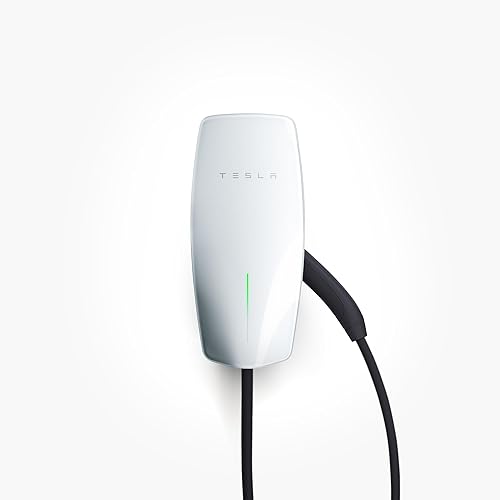
Tesla Wall Connector
Hardwired, 48A, and built around the NACS handle Tesla owners already use every day. If the garage is yours and staying that way, nothing here charges a Tesla faster.
See it on Amazon →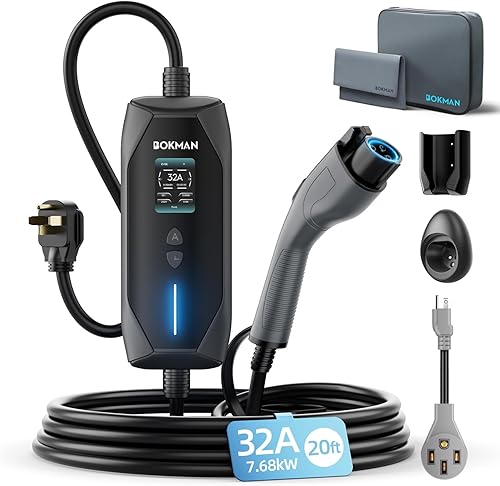
bokman Portable 32A
Standard J1772 plug that works with any EV in the driveway, plus a Level 1 adapter for the rare outlet-only spot. Pack it up and it goes wherever you go next.
See it on Amazon →Wall Connector vs Portable, Side by Side
These two solve different problems more than they compete head to head, but the numbers still matter once you've picked a lane.
| Charger | Amps | Connector | Installation | Portable | Price | Link |
|---|---|---|---|---|---|---|
| Tesla Wall Connector | 48A | NACS only | Hardwire only | No | $$$$ | View |
| bokman Portable 32A | 6-32A adjustable | J1772 | Plug-in (NEMA 14-50, Level 1 adapter included) | Yes | $$$ | View |
Price tiers are approximate. $ = under $50, $$ = $50 to 150, $$$ = $150 to 300, $$$$ = over $300. Tap any link for the current Amazon price.
What Owners Actually Report
Spec sheets don't tell you how these two feel to live with day to day, so here's what surfaces repeatedly in verified-purchase feedback, paraphrased in our own words rather than quoted.
Tesla Wall Connector (4.8-star verified-buyer average)
Owners consistently describe a clean, appliance-like install once an electrician has run the circuit, with the Tesla app reliably logging every session and cost. The recurring caution isn't the hardware, it's the commitment: buyers who later added a second, non-Tesla EV to the household report needing a separate adapter they didn't budget for.
bokman Portable 32A
This is a newer listing without a deep verified-review history yet, so we're weighing it on its published spec sheet and included hardware rather than a large body of owner feedback. The 25-foot cable, IP65 rating, and physical amperage buttons that don't depend on a paired app line up with what a portable EVSE at this price point should include. Treat the spec sheet above as the deciding factor here rather than a long history of owner feedback.
Jacob’s read on this category
People treat this as a speed comparison and it isn't really one. The Wall Connector wins on amps because it's designed to be permanent; the bokman wins on flexibility because it's designed not to be. The question that actually matters is whether you're wiring a garage you'll own for a decade or hedging against a lease, a move, or a second EV with a different plug. Answer that first and the amperage question mostly answers itself.
Which Vehicles Actually Plug In
The Tesla Wall Connector in this comparison (B0BWSK35WH) has a NACS connector and nothing else built in. Every Tesla plugs in natively. A non-Tesla EV needs its own NACS-to-J1772 adapter to use it, and Tesla doesn't include one with this unit. If mixed-brand charging is the point, look at the Tesla Universal Wall Connector instead, which ships with a J1772 handle built in.
The bokman Portable 32A runs the other direction: it's a standard J1772 connector, so it plugs directly into any non-Tesla EV in North America with no adapter at all. Tesla owners can use it too, by way of the small NACS-to-J1772 adapter most Teslas carry or can add inexpensively. That makes the bokman the better fit for a driveway with more than one brand of EV in it.
Charging Speed
The Tesla Wall Connector delivers up to 48A on a dedicated hardwired circuit. The bokman Portable adjusts from 6A up to 32A. On a Tesla with a 48A-capable onboard charger, that's roughly a third less power at the bokman's top setting, which stretches a typical overnight charge into a longer one, though most daily commutes still refill comfortably by morning on either unit.
For a non-Tesla EV, the bokman's 32A ceiling usually matches or exceeds the car's own onboard charger, since most non-Tesla EVs on the road today cap out at 32A to 40A anyway. In that case the portable unit isn't really the slower option; it's simply matched to what the car can accept.
Installation
The Tesla Wall Connector is hardwire-only. A licensed electrician runs a dedicated 240V circuit from your panel and wires the unit directly, no outlet in between, and most jurisdictions require a permit for the work. Once it's mounted, it stays exactly where it was installed. Our permit guide walks through what most local inspectors want to see before signing off.
The bokman Portable needs an existing outlet, not an electrician. Plug it into a NEMA 14-50 (the same outlet an electric dryer uses) for full 32A Level 2 speed, or use the included adapter on a standard household outlet for slower Level 1 backup charging. If your garage already has a 240V outlet, you're charging within minutes of opening the box.
Running a new 240V circuit for either setup typically costs $300 to $800 with a licensed electrician, depending on distance from the panel and local labor rates. One budgeting note: the federal Section 30C credit ended for chargers placed in service after June 30, 2026 (work completed by then can still claim 30%, up to $1,000), so check your state and utility for current rebate programs instead. For a wider view of what a fixed install buys you, see our best hardwired chargers roundup.
App vs No App
The Tesla Wall Connector integrates with the Tesla app for charging history and cost tracking on Tesla vehicles, and it reports live power sharing status if you install a second unit on the same circuit. There's no separate charger-specific app beyond what's already built into the Tesla ecosystem.
The bokman Portable skips apps entirely. Amperage is set with physical buttons on the unit itself, which means no WiFi pairing, no firmware updates, and nothing to trip over on move-in day. If you specifically want a charger that never depends on an app or a phone, our no-app charger guide covers more options in that category, and the bokman fits right alongside them.
Which One to Buy
Get the Tesla Wall Connector if you own a Tesla, own the home, and want the fastest possible hardwired charging with an install that never has to think about itself again.
Get the bokman Portable 32A if you rent, plan to move, want a backup charger for road trips, or need one unit that plugs into any J1772 EV without an adapter. For a similar comparison with the mixed-connector Tesla Universal instead, our Tesla Universal vs bokman Portable page covers that pairing directly, and our portable charger roundup lines up more options if the bokman isn't quite the fit.
FAQ
The Fact Base Behind This Page
We checked both units against their published spec sheets for connector type, amperage range, and installation method, then cross-referenced Amazon listing details and verified-buyer feedback where a meaningful review history existed. Prices and stock were re-checked against the current Amazon listings on October 17, 2026.
No manufacturer pays for placement here and we do not accept review units; the picks come from manufacturer spec sheets, certification listings, and the recurring themes in verified-buyer reviews.
Prices and availability reflect Amazon listings at time of writing. Confirm on the product page before purchase.