Quick answer: if you're hardwiring or adding a new 240V circuit, budget for a permit and inspection no matter which charger you buy. Chargers that run from an existing NEMA 14-50 outlet keep the paperwork simplest, and both the Emporia Pro Level 2 and the rugged Grizzl-E Classic Connect do exactly that. The Wallbox Pulsar Plus 48A is hardwire-only, so picking it means choosing the permitted route from day one.
Permit-Wise Verdicts
Emporia Pro Level 2
Wires to either an existing NEMA 14-50 outlet or a dedicated hardwired circuit, so the charger itself never forces your hand on the permit question.
View on Amazon →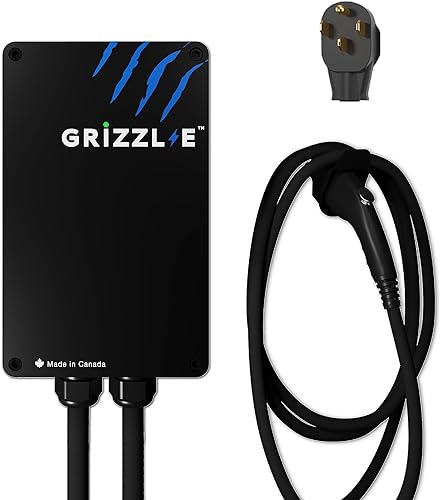
Grizzl-E Classic Connect
Built around a NEMA 14-50 plug and a steel enclosure. If your garage already has a code-compliant 240V outlet, this is a straightforward plug-and-charge swap.
View on Amazon →
Wallbox Pulsar Plus 48A
No plug-in option at all. If you go with this one, you're already committed to a licensed electrician, a permit, and an inspection before it can be used.
View on Amazon →Install Type and Permit at a Glance
The charger you pick does not change local code, but it does decide which install path you're locked into before an electrician even shows up. Our installation guide walks the hardwire path step by step, and the state-by-state cost guide shows what permit fees add.
| Charger | Install Type | Permit Usually Needed | Amps | Price | Link |
|---|---|---|---|---|---|
| Emporia Pro Level 2 | NEMA 14-50 or hardwire | Only if hardwired or adding a new circuit | 48A | $$$$ | View |
| Grizzl-E Classic Connect | NEMA 14-50 | Only if adding a new circuit | 40A | $$$$ | View |
| Wallbox Pulsar Plus 48A | Hardwire-only | Yes, always | 48A | $$$$ | View |
Price tiers are approximate. $ = under $50, $$ = $50 to 150, $$$ = $150 to 300, $$$$ = over $300. Tap any link for the current Amazon price.
Owner Anecdotes From the Permit Process
Permits rarely come up unprompted in a product review, but installation experience does, and it lines up with which install path each charger is built around.
Emporia Pro Level 2 (4.8-star verified-buyer average)
Verified buyers describe plugging into an existing outlet and charging within about an hour, exactly the scenario most likely to skip a fresh permit. Longer-term owners describe the day-to-day reliability as excellent, with a thick, somewhat stiff power cord worth planning clearance for.
Grizzl-E Classic Connect (4.4-star verified-buyer average)
Owners consistently describe the steel enclosure as heavy-duty and simple to mount to an existing NEMA 14-50 outlet, with several noting the plug-in swap took under an hour once the outlet was already in place. It optionally pairs with a WiFi app, but it charges the same with or without a connection either way.
Wallbox Pulsar Plus 48A (4.3-star verified-buyer average)
Owners who hardwired the Pulsar Plus mention pulling a permit and scheduling an inspection as part of the job, consistent with it having no plug-in option. Several note the compact housing and the myWallbox app once the permitted circuit was live, and Power Sharing for households running two EVs off one panel.
Jacob’s read on this category
The permit question gets treated like a charger spec when it's really a wiring question. Homeowner reports bear that out on both paths: plug-in NEMA 14-50 swaps into outlets an electrician permitted years earlier are routinely described as an afternoon job, while full hardwired 60A runs come with their own permit, an inspection visit, and often a week or two of scheduling around the inspector. The charger doesn't care which path you take, but your calendar will.
EV Charger Permit Basics
A Level 2 charger runs on a 240V circuit, the same class of circuit as an electric dryer or range. Any time that work involves opening your electrical panel, running new wire, or adding a breaker, it counts as electrical work in the eyes of most local building departments, and electrical work is exactly what permits exist to check. The inspector is verifying wire gauge, breaker size, grounding, and that the circuit was sized for the load, not signing off on your taste in charger brand.
The one common exception is plugging into an outlet that already exists, is already correctly rated for the load, and was already installed to code, such as a dryer outlet you're repurposing or a NEMA 14-50 an electrician installed for a prior EV. Because no new wiring happens, some jurisdictions don't require a separate permit for that plug-in step. Rules vary enough by city and county that a two-minute call to your local building department beats guessing.
Plug-In vs Hardwire: The Real Permit Question
Plug-in chargers like the Emporia and the Grizzl-E Classic Connect terminate in a NEMA 14-50 plug. If that outlet is already there and correctly rated, you may be able to skip a new permit entirely, since you're not altering the panel or the wiring. If that outlet doesn't exist yet, an electrician still has to run a new circuit to install it, and that circuit needs the same permit a hardwired job does.
Hardwired-only chargers like the Wallbox Pulsar Plus 48A remove the choice. There's no plug to fall back on, so a licensed electrician runs a dedicated circuit straight into the unit every time, which means a permit and inspection are part of the job from day one. That's not a downside so much as a fixed cost you should plan for upfront rather than discover midway through a quote.
Permit Cost and Timeline
Permit fees typically land somewhere in the $100 to $350 range depending on where you live, on top of the electrician's labor and materials for the circuit itself. Some cities have adopted a flat, reduced EV-charger permit fee specifically to encourage homeowners to pull one instead of skipping it, so it's worth asking your electrician if that applies locally. One incentive note: the Section 30C federal credit (30% of installed cost, up to $1,000) ended for chargers placed in service after June 30, 2026. If your install made that deadline, the claim rode on a paid invoice from a qualified installer rather than the permit itself, and most electricians bundled the permit into that same invoiced job anyway. For new work, look to state and utility rebates.
Timeline is the part homeowners underestimate. A plug-in swap into an existing outlet can be same-day. A hardwired install with a new circuit usually means one visit to run wire and mount the charger, then a second visit (or a separate inspector appointment) to sign off on the work, which can add a week or two depending on how backed up your local inspection office is.
Skipping the Permit: The Real Risks
An unpermitted 240V circuit is invisible until it isn't. The two moments it tends to surface are resale, when a home inspector flags equipment that never got signed off and a buyer's agent asks for retroactive permitting, and insurance, where a claim tied to an electrical fire can get scrutinized harder if the circuit behind it was never inspected. The permit process itself is what catches an undersized wire gauge or an overloaded panel before either becomes a hazard, which is the actual point of paying for one.
Which Install Path (and Charger) Fits You
Get the Emporia Pro Level 2 if you're not sure yet whether you'll plug in or hardwire. It supports both, so the permit question stays open until you talk to an electrician instead of being locked in by the charger.
Get the Grizzl-E Classic Connect if you already have a code-compliant NEMA 14-50 outlet in the garage and just want tough, no-fuss hardware to plug into it.
Get the Wallbox Pulsar Plus 48A if you're planning a permitted hardwired install from the start, especially in a household that may run two EVs off one panel with Power Sharing.
FAQ
How We Researched This
Permit rules are set locally, not federally, so this guide focuses on the pattern that holds across most US jurisdictions rather than any single city's ordinance: new wiring and hardwired connections trigger a permit, an existing correctly-rated outlet often doesn't. We cross-checked that pattern against installer guidance and building-department explainers, then matched it to the exact install type (plug-in NEMA 14-50 vs hardwire-only) for each charger in this comparison, verified against the manufacturer's own listing on 2026-07-27. For the specific rule in your city or county, your local building department or a licensed electrician is the authoritative source, not this article.
You can read more about how we vet every product on this site, including which brands we won't recommend, on our methodology page.
Re-verified August 2, 2026: the Emporia Pro Level 2, Grizzl-E Classic Connect, and Wallbox Pulsar Plus 48A links on this page were each checked against the live Amazon listing for ASIN identity, price tier, and availability. Confirm on the product page before purchase.