Quick answer: deep cold punishes plastic enclosures and stiffens cheap cables, which is why the Grizzl-E Classic, rated to -22°F, wins this list. The ChargePoint Home Flex handles winter duty while adding scheduling from your phone, and Tesla drivers should go straight to the Tesla Wall Connector.
Winter Verdicts
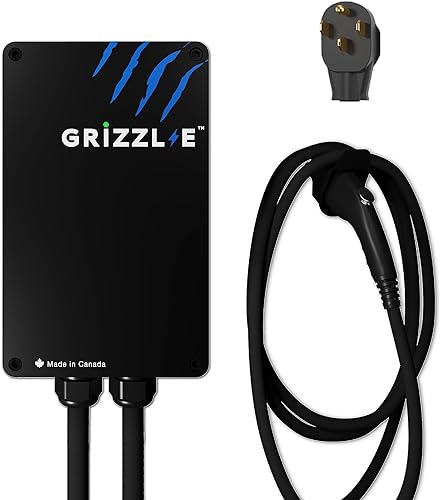
Grizzl-E Classic
Rated for cold-weather operation down to -22°F. Solid steel enclosure, NEMA Type 4 for outdoor wall mount, 40A J1772. No smart features means no firmware breaking your schedule in February.
See it on Amazon →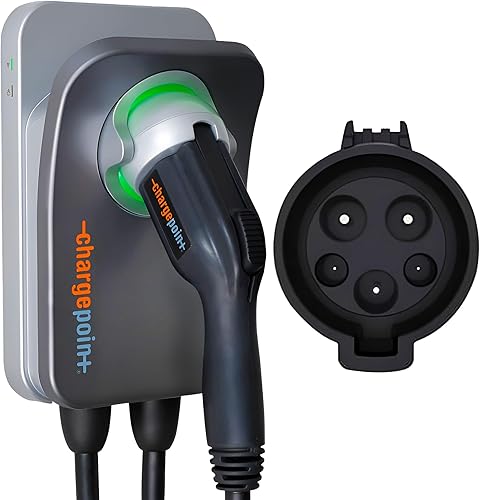
ChargePoint Home Flex
Operates to -22°F. Pre-conditioning automations via the app let you schedule the car to warm before it draws. Best app of the smart-charger field. Cord stiffens below 20°F but stays usable.
Check it on Amazon →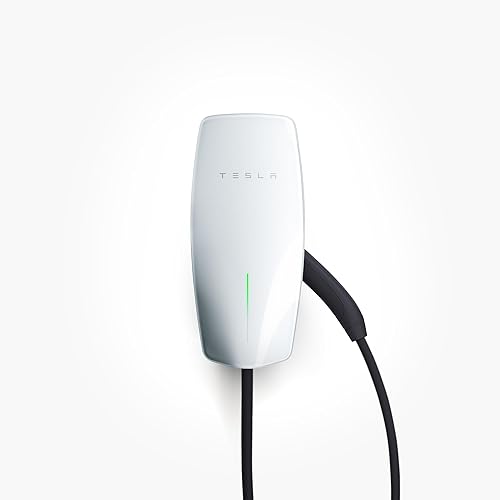
Tesla Wall Connector
48A native NACS, integrated with Tesla pre-conditioning. The cord is on the stiff side but the in-car warm-up routine takes the edge off charging temperature derates.
View on Amazon →Cold-Weather Specs Side by Side
Operating temperature, cord-flex rating, enclosure rating, and smart features. All three deliver Level 2 240V charging. Speed delta below 10°F is mostly driven by the car's battery-temp derating, not the charger.
| Charger | Operating Temp | Cord-Flex Rating | Enclosure | Smart | Price | Rating | Link |
|---|---|---|---|---|---|---|---|
| Grizzl-E Classic | -22 to 122°F | -22°F rated | NEMA Type 4 | None | $$$$ | 4.6 | View |
| ChargePoint Home Flex | -22 to 122°F | Stiff below 20°F | NEMA Type 3R | WiFi, Alexa, app | $$$$ | 4.3 | View |
| Tesla Wall Connector | -22 to 122°F | Stiff below 20°F | NEMA Type 3R | WiFi, Tesla app | $$$$ | 4.8 | View |
Price tiers are approximate. $ = under $50, $$ = $50 to 150, $$$ = $150 to 300, $$$$ = over $300. Tap any link for the current Amazon price.
How Owners Say These Survive Real Winters
Pulled from verified-buyer Amazon reviews and /r/evcharging cold-weather discussion threads, as of 2026-05-27.
Grizzl-E Classic (4.6-star verified-buyer average)
Owners in Minnesota, North Dakota, Maine, and Alberta consistently note the cord stays usable through -20°F mornings, where they report cracking the cord off competing chargers like brittle plastic. The downside they all flag: the unit is loud-clunky when the contactor engages, and the lack of any app means you can't see charging status from inside on a cold morning. The 40A speed ceiling is a non-issue in cold weather because the battery is the limit.
ChargePoint Home Flex (4.3-star verified-buyer average)
Cold-climate owners praise the app's pre-conditioning integration. The car's battery-warm-up routine can be scheduled to finish exactly when off-peak rates start, which buys back the speed derate. The cord stiffens noticeably below 15°F but doesn't crack. A handful of users report intermittent WiFi reconnect issues in winter; the workaround is to mount the WiFi closer to the garage or use a 5GHz mesh extender.
Tesla Wall Connector (4.8-star verified-buyer average)
Tesla owners in cold climates universally praise the integration: the car's pre-conditioning starts via the app, the charger ramps up the moment the battery is warm enough to accept full amperage, and the NACS connector seats cleanly even with gloves. Reviewers in Wyoming and Montana note the cord is the same stiffness as the ChargePoint but the auto-start logic means you spend less time wrestling the cord in the cold.
Jacob’s read on this category
Cold attacks the cord first and the car derates the rest, so set expectations on both fronts. The Grizzl-E’s TPE jacket stays workable to -22°F, while TPU cords like ChargePoint’s and Tesla’s go visibly stiff below 20°F; in January that is the difference between a ten-second plug-in and a wrestling match. Speed, meanwhile, belongs to the battery management system, not the wallbox: at 10°F and below a car may pull about 32A from a 48A unit no matter what you mounted. In a genuinely cold climate, buy the cord first and the amperage second, and put the unit where the cable hangs out of the wind.
Why Cold-Weather Spec Sheets Lie
Almost every Level 2 charger lists "operating temperature -22°F to 122°F" on its spec sheet. That's the operating range of the electronics inside the enclosure. What it does NOT tell you is whether the cord stays flexible at those temperatures. Most chargers use a standard EVSE cable jacket that goes from "rubber" to "garden hose left outside in January" somewhere around 20°F.
The Grizzl-E is the rare exception because it ships with a TPE-jacketed cord that is explicitly cold-flex rated to -22°F. ChargePoint and Tesla cords are TPU which is fine to about 0°F but visibly stiff below 20°F. Below 0°F, you're physically wrestling the cord every charge session.
For most North American owners this matters from late November through early March, which is 4 months of the year you have to coil the cord with both hands instead of one.
Speed Derate Below Freezing
Below 32°F, every EV's battery management system limits the rate at which Level 2 power can flow into the pack. This protects the cells from lithium plating, which is a permanent capacity loss. Tesla typically derates to 32A on a 48A circuit at 10°F and lower, until the car has been preconditioning for 20-30 minutes. Most other EVs apply similar derates.
The practical effect: a 48A charger doesn't actually deliver 48A in cold weather. Buying a more expensive 48A unit purely for charging speed is wasted spend in cold climates if you don't also pre-condition the battery. The Tesla Wall Connector and ChargePoint Home Flex both have charging-schedule integrations that solve this; the Grizzl-E doesn't, so you'll need to start preconditioning manually 30 minutes before plugging in.
Installation in Cold Climates
Two install rules for cold climates (the mirror-image list for desert heat lives in our hot-climate guide): (1) Hardwire if possible. Our hardwired charger roundup covers the units built for it. NEMA 14-50 receptacles are prone to corrosion-induced heat damage in unheated garages, especially if any moisture cycles between the contacts. Hardwiring removes that failure point. (2) Mount inside if you have the option. Even an unheated garage holds 10-15°F warmer than the outside in deep winter and keeps the cord at a usable flex.
If you must mount outside, use a roofed or covered wall location to keep ice and snow off the connector itself. The connector spec sheet says "weather resistant" but a connector that freezes shut in February is still a connector you can't use.
Which to Buy
Get the Grizzl-E Classic if you live anywhere that hits below 0°F regularly (Minnesota, North Dakota, Maine, Alberta, Saskatchewan, Wyoming, Montana). The cord is the difference between a 4-month cord-flex problem and not having one. You give up app and scheduling but neither matters when the priority is "the charger works every morning at -25°F."
Get the ChargePoint Home Flex if you live in a moderate-cold climate (Chicago, Denver, Salt Lake City, Boston, much of the Mountain West) where temperatures sit between 0 and 35°F most of the winter. The pre-conditioning integration is the killer feature, and the cord stays usable.
Get the Tesla Wall Connector if you own a Tesla. The integrated pre-conditioning and the NACS connector with-gloves usability beat third-party chargers in cold conditions every time, even though the cord is the same stiffness as ChargePoint.
FAQ
How We Picked These for Cold Weather
For this comparison we prioritized cord-flex rating (because that's the failure mode owners actually hit) and NEMA outdoor enclosure rating. We cross-checked verified-buyer Amazon reviews specifically from owners in cold-climate states and provinces (Minnesota, North Dakota, Maine, Alberta, Wyoming, Montana). The Grizzl-E and Tesla units have UL 2594 listings on file. ChargePoint Home Flex carries UL 2231 personnel protection certification. Live Amazon pricing pulled 2026-05-27. We don't accept manufacturer sponsorships or free review units. The picks reflect what we'd install in our own garage.