Quick answer: still undecided between an outlet and a hardwire? Buy hardware that keeps both doors open. The Emporia Pro Level 2 installs either way, which is exactly why it leads here. The Wallbox Pulsar Plus 48A is the pick once you've committed to hardwiring, and the Grizzl-E Classic is the app-free alternative.
Install-Type Verdicts
Emporia Pro Level 2
The safest pick when you have not settled on hardwire vs plug-in. An electrician can wire it either way (what that visit costs in your state is in our installation cost guide), and it still carries WiFi scheduling, energy tracking, and bundled load management.
See it on Amazon →
Wallbox Pulsar Plus 48A
Designed from the ground up for a permanent connection. No outlet, no plug, no separate GFCI-breaker debate. Its compact enclosure is built to disappear on a garage wall.
Check it on Amazon →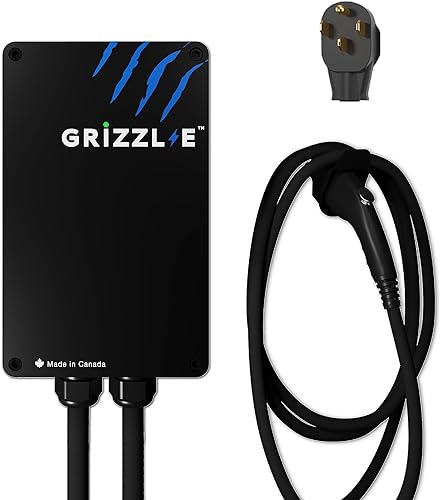
Grizzl-E Classic
No app to configure, no firmware to update. Just plug it into a NEMA 14-50 outlet a licensed electrician installs, and it charges. Easiest to unplug and reuse if you move or upgrade your EV.
See it on Amazon →Both Install Paths, One Table
The install-type column is the whole point of this comparison: it determines what your electrician quotes, whether a GFCI breaker enters the conversation, and how much amperage you actually get to use.
| Charger | Amps | Install Type | Smart | Plug | Price | Link |
|---|---|---|---|---|---|---|
| Emporia Pro Level 2 | 48A | Either (plug-in or hardwire) | WiFi, App | NEMA 14-50 or hardwire | $$$$ | View |
| Wallbox Pulsar Plus 48A | 48A | Hardwire only | WiFi, App | Hardwire (NEMA Type 4 enclosure) | $$$$ | View |
| Grizzl-E Classic | 40A | Either (plug removable for hardwire) | None | NEMA 14-50 | $$$$ | View |
Price tiers are approximate. $ = under $50, $$ = $50 to 150, $$$ = $150 to 300, $$$$ = over $300. Tap any link for the current Amazon price.
Owner Feedback by Install Type
Spec sheets don't capture what an install actually feels like. Here's what shows up repeatedly in verified-purchase Amazon reviews for the products in this comparison, paraphrased from the top-helpful reviews on each product page as of October 17, 2026.
Emporia Pro Level 2 (a strong average from verified buyers)
One verified owner writes that the install went fast, describing it as up and charging in about 75 minutes. Another long-form review calls day-to-day reliability "excellent" as a daily home EVSE, though that same owner notes the power cord is thick and not especially flexible, worth accounting for when you pick a mounting spot relative to your charge port.
Wallbox Pulsar Plus 48A (solid early verified-buyer reports)
Owners who hardwired the unit describe the install as straightforward for a licensed electrician, and several call out the compact size compared to boxier competitors as a plus for tight garage walls. A few reviews mention wanting clearer guidance on the myWallbox app's Power Sharing setup when running two EVs off one circuit.
Grizzl-E Classic (a strong average from verified buyers)
The top-helpful review nails the pitch: no frills, heavy-duty materials, and a steel enclosure that stays cool under a sustained 40A load. Another verified owner, two years in, still calls the charger simple and durable, with no bluetooth, no WiFi, and no programming to fuss with. A third review describes the build as industrial-grade with a solid metal enclosure, consistent with the tone of the other high-rated write-ups.
Jacob’s read on this category
Most buyers overthink the install-method decision and underthink the panel-distance decision. Whether you land on a NEMA 14-50 outlet or a hardwire connection, the line-item that actually swings your electrician's quote is how far the charger location sits from your panel, not which of these two terminations you pick. Decide install type based on how long you'll own the house and how likely you are to swap chargers; decide the budget based on the conduit run.
NEMA 14-50 vs Hardwire: The Basics
A NEMA 14-50 outlet is the same heavy-duty 240V receptacle used for electric ranges and RV hookups. Your electrician installs the outlet, and any compatible Level 2 charger simply plugs into it. Hardwiring skips the outlet entirely: the charger's wiring connects directly to a dedicated breaker in your panel, with no plug or receptacle in between.
Both require a dedicated 240V circuit sized for your charger's amperage. The difference is what sits between the panel and the charger, and that single difference drives most of the cost, code, and flexibility questions in this guide.
Why Hardwire Charges Faster
Under the National Electrical Code's continuous-load rule, a circuit can only be loaded to 80% of its breaker rating for something that runs three hours or more, which describes almost any EV charging session. A standard 50A breaker feeding a NEMA 14-50 outlet caps continuous draw at 40A, even if the charger plugged into it can technically output more.
Hardwiring removes that outlet-driven ceiling. Wire the same charger to a 60A breaker and it can run its full rated output, commonly 48A on chargers like the Emporia Pro Level 2 or Wallbox Pulsar Plus. That gap between 40A and 48A adds up over a full overnight charge, though for most daily commutes either speed comfortably replenishes the battery by morning.
Smart Features Don't Depend on Install Type
Install method and smart features are two separate decisions. The Emporia Pro Level 2 and Wallbox Pulsar Plus both offer WiFi scheduling and an app regardless of whether they end up plugged into an outlet or hardwired, since the electronics inside the unit don't change based on how power reaches it. The Grizzl-E Classic has no app in either configuration, and its NEMA 14-50 plug is removable for hardwiring, so it installs either way while staying built around mechanical simplicity rather than software.
If you want scheduling, energy tracking, or Alexa and Google Home integration, choose based on the app, then let your electrician tell you whether hardwire or NEMA 14-50 makes more sense for your specific panel and run.
Installation Cost and Code Considerations
Running a new 240V circuit for either install type usually costs $300 to $800 with a licensed electrician, depending on distance from the panel and local labor rates. Hardwiring can come out similar or slightly cheaper than a NEMA 14-50 outlet install once you factor in the plug, receptacle, and, in many jurisdictions, the GFCI breaker required for an EV-charging outlet circuit. Either way, leave the federal Section 30C credit out of the comparison: it ended for chargers placed in service after June 30, 2026, and now applies only to installs that were finished by then (30% of installed cost, up to $1,000). State and utility rebates generally treat both install methods the same.
The GFCI requirement is worth flagging on its own. Because most Level 2 chargers already include internal ground-fault protection, stacking that with an external GFCI breaker on a NEMA 14-50 outlet is a documented source of nuisance tripping. Hardwiring the same charger sidesteps that specific interaction, which is part of why the National Electrical Code leans toward hardwiring for continuous loads above 40A. If you're weighing where a permit fits into either path, our installation guide walks through the full cost and permit picture.
Renters and anyone who expects to move within a few years should still lean toward a plug-in outlet: it's the only one of the two that lets you take the charger, or swap in a different one, without redoing the electrical work.
Choosing Your Install Path
Get the Emporia Pro Level 2 if you haven't committed to hardwire or plug-in yet, or want an electrician to have both options on the table. It ships able to be wired either way and still delivers full 48A speed once installed.
Get the Wallbox Pulsar Plus 48A if you're staying long-term and want a permanent, plug-free connection with the fastest charging your panel supports. If you're weighing it directly against another dual-mode charger, our Wallbox vs ChargePoint comparison breaks down the install tradeoffs further.
Get the Grizzl-E Classic if you want the simplest possible plug-in setup, no app, and the ability to unplug and take the charger with you later. For a broader lineup of outlet-based options, see our roundup of NEMA 14-50 chargers.
FAQ
The Research Behind the Recommendation
For this comparison we grouped chargers by the trade-off each one asks you to make: an app-connected unit that installs either way, one geared toward a committed hardwire install, and an app-free unit built for mechanical simplicity, then picked the strongest verified option in each group instead of forcing three near-identical units into an artificial ranking. Amazon prices and stock were re-checked against current listings on October 17, 2026, and each candidate got checked against the top-helpful verified reviews on its own product page (rating distribution and the first several reviews) before it made the cut.
No manufacturer pays for placement here and we do not accept review units; the picks come from manufacturer spec sheets, certification listings, and the recurring themes in verified-buyer reviews.