Quick answer: the Tesla Wall Connector is the fastest home charging for Tesla vehicles (30-44 mi/hr depending on model); the Tesla Universal Wall Connector adds J1772 compatibility for mixed EV households; and the Emporia Pro Level 2 is the best non-Tesla option if you want universal charging at similar speed.
Wall Connector or Mobile Connector?
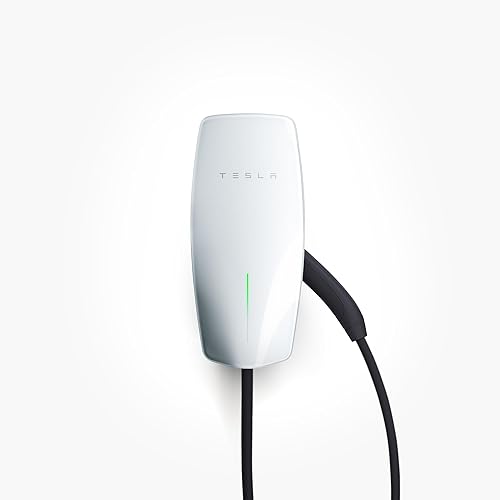
Tesla Wall Connector
Maximum charging speed for Tesla vehicles, power-sharing support, no compromise on speed. Install cost is the tradeoff.
View on Amazon →Tesla Universal Wall Connector
Same speed as the standard Wall Connector but with built-in J1772, so it charges any EV. Best pick if you own or may own a non-Tesla vehicle.
Check price on Amazon →Emporia Pro Level 2
48A speed for any EV, WiFi app scheduling, less installation overhead, strong reviews. Better choice if you want vendor-neutral charging.
See it on Amazon →Wall vs Mobile Connector Specs
The Wall Connector and Mobile Connector are both Tesla products. For perspective, the Emporia Pro Level 2 is a third-party charger that matches Wall Connector speed and works with any EV brand. Our Tesla charger roundup ranks the full field, and Tesla Wall Connector vs bokman Portable covers the portable alternative to the Mobile Connector.
| Charger | Type | Max Amps | Speed (Tesla) | Connector | Price | Link |
|---|---|---|---|---|---|---|
| Tesla Wall Connector | Hardwire | 48A | 30-44 mi/hr | NACS only | $$$$ | View |
| Tesla Universal Wall Connector | Hardwire | 48A | 30-44 mi/hr | NACS + J1772 | $$$$ | View |
| Tesla Mobile Connector | Portable plug | 32A | ~30 mi/hr | NACS only | Included | Ships with car |
| Emporia Pro Level 2 | Hardwire | 48A | 30-44 mi/hr | J1772 (any EV) | $$$$ | View |
Price tiers are approximate. $ = under $50, $$ = $50 to 150, $$$ = $150 to 300, $$$$ = over $300. Tap any link for the current Amazon price.
Wall Connector vs Mobile: Owner Notes
Real-world feedback from verified owners comes through loud on both Tesla chargers and third-party alternatives. The recurring themes from top-helpful verified reviews are summarized below in our own words.
Tesla Wall Connector (4.8-star verified-buyer average)
Owners consistently praise the build quality and installation process, describing hardware with a professional-equipment feel that handles a 48A circuit without thermal complaints, and electrician installs wrapped up within about an hour. Common feedback: setup is straightforward, the metal casing stays cool even under continuous load, and owners report stability over years of use. A few reviews flag the need for a dedicated 60A breaker and new circuit run, a reminder that installation cost matters more than the hardware cost.
Tesla Universal Wall Connector (4.5-star verified-buyer average)
Owners appreciate the J1772 adapter built in, so they can charge both Tesla and non-Tesla EVs on the same unit. Verified buyers planning a second EV of another brand frame the Universal as the version that settles the question, and highlight that the adapter never needs fetching: it's always there. The reviews track closely with the standard Wall Connector since the hardware and installation are near-identical. The main distinction is peace of mind for multi-EV households.
Tesla Mobile Connector (4.4-star verified-buyer average)
Owners praise the included-with-car convenience and the flexible power delivery options, reporting trouble-free charging from a standard 240V outlet with no installation and dependable full batteries after routine overnight sessions. Consistent theme: it's slow but sufficient for overnight charging. Some reviews mention cable management challenges in tight garages, and a few flag that the 32A limit means slower charging than a Wall Connector.
Emporia Pro Level 2 (4.8-star verified-buyer average)
Owners highlight the competitive speed, app functionality, and build quality. Verified Tesla owners who passed on the Wall Connector describe simpler installs that delivered the same real-world speed in their setups, including full 48A charging on a Model 3, at a lower cost. The WiFi scheduling, the energy tracking, and an app owners find clean and intuitive earn repeat mentions.
Jacob’s read on this category
The honest answer for most Tesla owners is that you already own the right charger. The Mobile Connector in the trunk refills a 50-mile commuting day overnight, and the verified-owner record backs that up. The Wall Connector earns its install bill in a narrower set of cases than the marketing implies: you drive past 100 miles a day, you need a fast top-up before leaving in the morning, or you run two cars off one circuit and want load-sharing. The upgrade I would not skip is the Universal version if there is any chance a non-Tesla EV ever joins the driveway, because adding J1772 later costs far more than buying it built in.
Why Tesla Includes the Mobile Connector
The Mobile Connector is the bridge between your car and the world. Every Tesla comes with one because not every owner has a 240V outlet at home, and the world isn't wired for home charging yet. It's the "works anywhere" option: plug it into a 120V outlet for trickle charging (about 3 mi/hr), or a 240V outlet for the full 32A (about 30 mi/hr). No installation, no electrician, no waiting.
That practicality is why it's the default. But here's the math: if you drive under 50 miles daily and charge overnight, the Mobile Connector refills what you used in 8-10 hours. If you drive 100+ miles daily or need a top-up before leaving in the morning, you're waiting longer than the Wall Connector would require. That's where the upgrade decision lives.
Charging Speed and Daily Reality
The Tesla Wall Connector delivers up to 48A on 240V, adding 30-44 miles per hour depending on your vehicle. A Model 3 Long Range refills in about 8-9 hours from empty. A Model Y Plaid takes about 10 hours on full power. The Mobile Connector tops out at 32A, adding roughly 30 miles per hour, requiring 10-15 hours for a full charge depending on battery size.
Overnight charging makes most of this academic. If you plug in after dinner and drive in the morning, either charger covers a typical 50-100 mile day. The Wall Connector earns its install cost if you drive 100+ miles daily, frequently need quick top-ups before leaving, or share the circuit with other chargers (up to six Wall Connectors can load-share on a single 60A service).
NACS vs. J1772: The Connector Question
The standard Wall Connector uses NACS (North American Charging Standard), Tesla's proprietary connector. If you own a Tesla and plan to keep owning only Teslas, this is fine. NACS chargers are coming to public networks, and newer non-Tesla EVs support it. But if you own a non-Tesla EV now or may in the future, NACS doesn't work without an adapter.
The Tesla Universal Wall Connector solves this by including a built-in J1772 adapter, so it charges any EV on the market. The adapter is always there; no fumbling with a separate piece. For mixed-household charging (one Tesla, one Chevy or Hyundai), the Universal is the single-charger solution. For a second independent option, third-party chargers like the Emporia Pro handle J1772 natively and work with any EV brand on day one.
Installation, Cost, and the Tax Credit
The Mobile Connector needs no installation. Plug it into a 240V outlet and charge. If your home doesn't have a 240V outlet in the garage, you can run one, which costs $300-$800 with an electrician depending on panel distance and local rates.
The Wall Connector (standard or Universal) requires hardwired installation. An electrician will run a dedicated 60A circuit from your panel, mount the charger on the wall, and test it. Total installation cost typically ranges $300-$1,000 depending on panel proximity and local labor rates. The federal Section 30C tax credit ended for chargers placed in service after June 30, 2026, under the 2025 tax law; installs completed by that deadline can still claim 30% (up to $1,000), and state or utility rebates remain worth checking either way.
Third-party chargers like the Emporia Pro can be either hardwired (similar cost to a Wall Connector install) or plugged into an existing 240V outlet if you already have one. If you have a NEMA 14-50 outlet from an old electric range or dryer, an Emporia or ChargePoint Home Flex is often an afternoon plug-and-play job.
Which One Should You Get?
Choose the Tesla Wall Connector if you own only Tesla vehicles, drive 100+ miles daily, want the fastest home charging, or plan to hardwire a dedicated circuit anyway. It's the native option, carries Tesla's build reputation, and supports power-sharing with other Wall Connectors.
Choose the Tesla Universal Wall Connector if you own a Tesla but also have or plan to own a non-Tesla EV. The built-in J1772 adapter makes it a single charger for both, and the speed is identical to the standard Wall Connector. Best for multi-brand households where you want unified hardware.
Choose the Emporia Pro Level 2 if you want to stay vendor-neutral, already have a 240V outlet or want lower installation complexity, or value WiFi scheduling and app-based energy tracking. It matches Wall Connector speed and works with any EV, and many owners find the third-party app more feature-rich than Tesla's ecosystem.
Keep the Tesla Mobile Connector if you drive under 50 miles daily, charge overnight consistently, or want portable charging flexibility. It's not a choice in the way these others are (it ships with your car), but it's genuinely sufficient for most owners. Upgrade to a Wall Connector only if your driving patterns demand faster charging.
FAQ
How We Picked These Chargers
This comparison cross-checks Tesla's official specifications against real-world verified-buyer feedback from Amazon product pages. The Mobile Connector is a given (it comes with every car), so the real decision is between the standard Wall Connector, the Universal variant, and third-party alternatives like the Emporia Pro. We focused on the 48A band because that's where charging speed and feature trade-offs meaningfully differ.
Pricing and stock were confirmed against current Amazon listings as of October 17, 2026. Each charger was reviewed against verified-purchase ratings and the top-helpful reviews on its product page before inclusion. No manufacturer pays for placement here and we do not accept review units.