Quick answer: most 100A panels can add a Level 2 charger without a service upgrade, but the amperage that fits depends on a licensed electrician's load calculation, not the number on the breaker slot. Match the hardware to that headroom: the ChargePoint Home Flex tops this page because it dials anywhere from 16A to 50A, the Grizzl-E Classic works when the calculation clears a 50A circuit, and the bokman Portable 32A is the easiest fit for the tightest panels.
Verdicts for a Full Panel
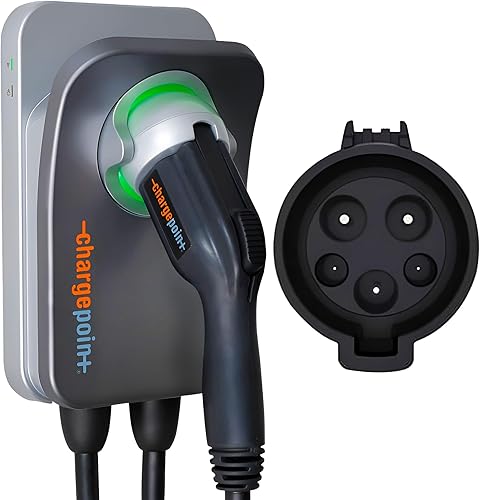
ChargePoint Home Flex
An electrician sets the exact amperage your panel supports, from 16A up to 50A, at install time. That flexibility is the whole point on a 100A panel where headroom is the deciding factor, not brand preference.
Check it on Amazon →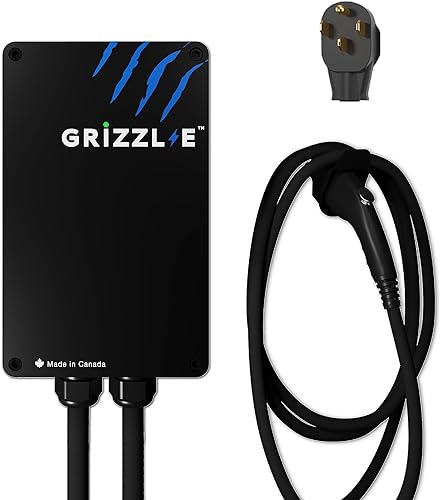
Grizzl-E Classic
A fixed 40A draw, no app or firmware to worry about, and a rugged NEMA 3R enclosure. If the load calculation clears 40A, this is the least complicated way to use it.
See it on Amazon →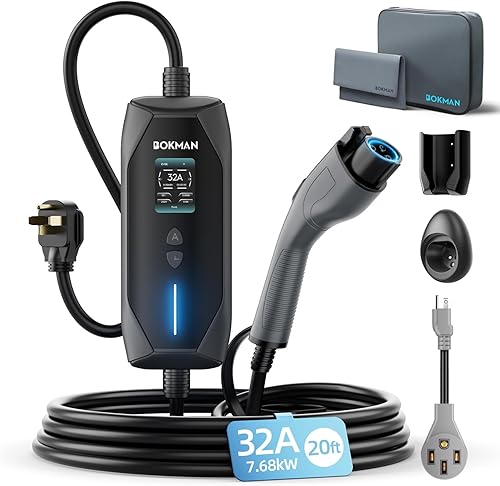
bokman Portable 32A
32A is the smallest continuous load in this comparison, which makes it the safest bet on a panel that is already carrying heavy electric appliances and has little room to spare.
View on Amazon →Low-Draw Options Compared
All three chargers below can, in principle, share a 100A panel. Which one actually fits depends on a licensed electrician's load calculation for your specific home, not on the chart alone.
| Charger | Amps | Adjustable | Plug | Smart | Price | Link |
|---|---|---|---|---|---|---|
| ChargePoint Home Flex | 16A–50A | Yes, in the app at install | NEMA 14-50 / Hardwire | WiFi, App, Alexa, Google | $$$$ | View |
| Grizzl-E Classic | 40A | No, fixed | NEMA 14-50 / Hardwire | None | $$$$ | View |
| bokman Portable 32A | 32A | No, fixed | J1772 plug-in | Check listing | $$$ | View |
Price tiers are approximate. $ = under $50, $$ = $50 to 150, $$$ = $150 to 300, $$$$ = over $300. Tap any link for the current Amazon price.
Owners With Small Panels Report
Spec sheets don't say much about how a charger behaves once it's actually wired into an older or capacity-limited panel. Here's what shows up repeatedly in verified-purchase Amazon reviews for the products in this comparison, pulled from the top-helpful reviews on each product page as of October 17, 2026.
ChargePoint Home Flex (4.3-star verified-buyer average)
A verified owner with a car-industry background rates the unit as thoughtfully engineered and reports mounting it on an existing 14-50 outlet without help. Several owners specifically mention setting the amperage down from the factory default during setup to match what their electrician approved, which lines up with how it gets used on a capacity-limited panel. The app side isn't flawless. The top-helpful negative review describes repeated firmware and connectivity issues, so budget some patience there.
Grizzl-E Classic (4.6-star verified-buyer average)
The pitch that repeats in reviews is a no-frills, heavy-materials build with a steel enclosure that stays cool at maximum load. Owners two years in still describe it as simple, durable, and free of any radios or programming. That fixed, predictable draw is exactly what makes it easy for an electrician to size against a load calculation.
bokman Portable 32A
This is a newer listing without an established verified-buyer rating yet, so treat it as an option to evaluate against current reviews on the product page rather than a guaranteed 4-star pick. Owners buying in this amperage class generally cite the small footprint and lower breaker requirement as the draw, which fits a panel with little capacity to spare.
Jacob’s read on this category
Homeowners fixate on the amperage they want instead of the amperage the panel can actually give them, and that's backwards. Start with the load calculation, then pick hardware that matches it. An adjustable charger is worth the extra cost specifically because it removes the guesswork: the electrician sets the number once, on install day, based on real math instead of a spec sheet ceiling.
100A Panel Basics: How Much Headroom You Actually Have
A 100 amp panel does not mean 100 amps of spare capacity for a charger. Every circuit already in the house (central air, an electric range, a water heater, a dryer) counts against that total, and code requires a licensed electrician to run a full load calculation before adding a large new continuous load like a Level 2 charger. Only after that calculation accounts for existing circuits does the electrician know how much is genuinely left over.
In practice, plenty of 100A homes have more spare capacity than owners assume, especially if the house heats with gas and doesn't run a large electric range or hot tub. That's why an open breaker slot in the panel is not, by itself, evidence that a charger will fit. It's a necessary condition, not a sufficient one. If you read up on how breaker size is determined for a 48A charger, the same continuous-load math applies here, just against a smaller starting budget of amps.
Matching Charger Amperage to What's Left Over
This is where the three chargers above split apart. A fixed 48A charger, common in many "best charger" roundups, needs a 60A breaker whether or not your panel has that much to give. On a tight 100A panel with several existing large loads, that can force a service upgrade that a lower-amperage charger would have avoided entirely.
The Grizzl-E Classic's fixed 40A draw needs less headroom to begin with, and the bokman Portable's 32A draw needs less still. Both still cover a typical overnight charge for most daily driving. The ChargePoint Home Flex sidesteps the guessing game altogether: it configures from 16A up to 50A during setup, so the installing electrician can dial it to precisely what the load calculation clears rather than picking a charger and hoping the number works out.
Smart Features
The ChargePoint Home Flex pairs its adjustable amperage with a WiFi app that handles scheduling, per-session cost tracking, and Alexa and Google Home integration, which is useful if you also want to shift charging to off-peak utility hours once the panel question is settled. The Grizzl-E Classic has no smart features at all: it charges when plugged in and stops when the car is full, which some owners prefer specifically because there's no app to troubleshoot. Check the current Amazon listing for the bokman Portable's control options before buying, since app support varies by listing revision.
Installation
Every install here starts the same way regardless of which charger you pick: call a licensed electrician and ask for a load calculation under NEC Article 220 before you buy anything. Bring your panel's total service size (100A in this case), a list of major existing appliances, and the amperage range you're considering. For general steps once the calculation clears, see our full EV charger installation guide.
If the calculation shows limited headroom, ask specifically about a lower fixed-amperage charger or an adjustable unit like the Home Flex rather than assuming a full service panel upgrade is the only option. A service upgrade is sometimes genuinely necessary, particularly in homes with electric heat, but it's not automatic just because the panel reads 100A instead of 150A or 200A.
If your plan involves a plug-in outlet instead of hardwiring, our NEMA 14-50 vs hardwire comparison covers how that choice interacts with the same load-calculation math.
Which Charger to Get for a 100A Panel
Get the ChargePoint Home Flex if you don't yet know exactly how much headroom your panel has, or if you want the flexibility to dial the amperage up later if you upgrade the panel or add a second EV.
Get the Grizzl-E Classic if your electrician confirms 40A fits and you'd rather have simple, app-free hardware with a rugged outdoor-rated enclosure.
Get the bokman Portable 32A if the load calculation comes back tight, or if your daily mileage is modest enough that 32A comfortably covers an overnight charge.
FAQ
How We Picked These for a 100A Panel
We narrowed this shortlist to chargers whose amperage requirements are easy to size against a limited panel: one adjustable unit that removes the guesswork entirely, and two fixed-amperage units at the lower end of the market (32A and 40A) that ask less of a constrained panel than a fixed 48A or 50A unit would. Amazon prices and stock were re-checked against the current listings on October 17, 2026, and each candidate was checked against the top-helpful verified reviews on its own product page before it made the cut.
No manufacturer pays for placement here and we do not accept review units; the picks come from manufacturer spec sheets, certification listings, and the recurring themes in verified-buyer reviews.