Quick answer: a WiFi radio you never open is still a firmware update you eventually have to deal with. Both of these chargers avoid that problem by not having one. Want the higher ceiling? The Grizzl-E Classic tops out at 40A against the ClipperCreek's 32A. Want the longer commercial pedigree behind the steel? The ClipperCreek HCS-40P comes from a brand that has been building fleet and utility charging hardware since before most home EVSE brands existed.
The Verdict, Side by Side
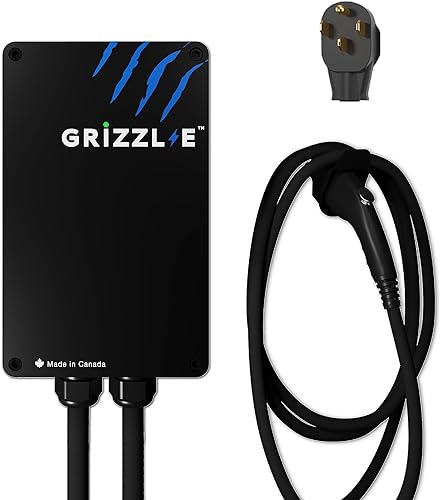
Grizzl-E Classic
The faster and cheaper of the two, with an industrial steel body that Canadian-brand loyalists have leaned on for years of full-amperage duty cycles.
See it on Amazon →ClipperCreek HCS-40P
A California-designed, US-built unit descended from ClipperCreek's commercial charging line, now sold under Enphase ownership with the same core hardware.
Check it on Amazon →Spec by Spec
Both chargers plug into a NEMA 14-50 outlet and use the standard J1772 connector, so either one fits any non-Tesla EV sold in the US (Tesla owners need the adapter that ships with their car, or a NACS-native unit instead).
| Charger | Amps | Smart Features | Plug | Enclosure | Price | Link |
|---|---|---|---|---|---|---|
| Grizzl-E Classic | 40A | None (DIP-switch amperage) | NEMA 14-50 | All-metal, NEMA 3R outdoor rated | $$$$ | View |
| ClipperCreek HCS-40P | 32A | None (hardware-only) | NEMA 14-50 | Rugged outdoor-rated housing | $$$$ | View |
Price tiers are approximate. $ = under $50, $$ = $50 to 150, $$$ = $150 to 300, $$$$ = over $300. Tap any link for the current Amazon price.
What Owners Say After Living With Each One
Spec sheets don't tell you how a charger holds up after a few winters on the wall. Here's what shows up repeatedly across owner feedback for each unit, paraphrased in our own words rather than quoted.
Grizzl-E Classic (4.6-star verified-buyer average)
Owners consistently describe a simple, no-nonsense box that runs cool at full 40A draw and keeps working through years of daily plug-ins. Reviewers reach for words like durable and simple rather than talking about any software layer, because there isn't one. The all-metal build and the DIP-switch amperage setting are the two things that come up most.
ClipperCreek HCS-40P
Owners and reviewers who cover the HCS line describe it as a workhorse built to the same standard as ClipperCreek's commercial and fleet units, just scaled for a home garage. The recurring theme is reliability over flash: no app to troubleshoot, a rugged housing, and a plug-in NEMA 14-50 connection that most owners say they got running the same day it arrived. As with any newer Amazon listing under the Enphase-owned HCS branding, weigh the seller and current buybox before you buy.
Jacob’s read on this category
This comparison is less about features and more about which no-frills brand you trust. Grizzl-E built its reputation in the home-EVSE space specifically; ClipperCreek built its reputation in commercial and municipal charging first and brought that hardware down-market later. Neither answer is wrong, but if your priority is squeezing the most amperage out of a 40A circuit for the least money, the Grizzl-E's extra 8A and lower price point make it the easier sell. If you specifically want hardware descended from fleet-duty equipment, the ClipperCreek earns its premium.
App-Free Charging: What You Gain and Lose
Neither of these chargers connects to WiFi, which means neither can schedule off-peak charging automatically, track energy use over time, or push a firmware update that might break something. That is a deliberate trade. You lose the convenience of app-based scheduling, but you also lose the entire category of complaint that shows up on smart-charger reviews: dropped connections, app redesigns that hide a setting you used to rely on, and a charger that stops responding to commands after an update.
If you want automatic off-peak scheduling without paying for a smart charger, a mechanical timer on the circuit or a smart outlet rated for the load can approximate it, though neither is officially endorsed by either manufacturer for a hardwired or NEMA 14-50 circuit at this amperage. Check your utility for a built-in EV rate plan first, since many now handle the off-peak timing on the utility side instead.
Charging Speed: 40A vs 32A
The Grizzl-E Classic's 40A output adds roughly 30 miles of range per hour to a typical EV's battery, matched to the car's own onboard charger limit. The ClipperCreek HCS-40P's 32A rating adds closer to 25 miles per hour. On paper that is real difference; day to day it rarely matters. A typical 40-mile commute refills in under two hours on either unit, and both replace a full day of driving overnight without coming close to their charge-time ceiling.
Where the gap matters more is a household with two EVs sharing one charger, or anyone regularly driving well past a typical commute and needing a fast top-up before heading back out. In that scenario the Grizzl-E's extra headroom shaves real minutes off the wait.
For a deeper look at how amperage translates to charging speed across the full lineup, see our amperage explainer, and if a fixed 40A circuit is what you're working with, our best 40A charger roundup covers more options beyond these two.
Installation
Both units reviewed here are the plug-in version, wired for a NEMA 14-50 outlet, the same style used by RV hookups and electric ranges. If your garage already has one, installation is as simple as mounting the unit and plugging it in. If you don't, a licensed electrician typically runs a new 240V circuit for $300 to $800, depending on panel distance and local labor rates.
ClipperCreek also sells a hardwired version of the HCS-40 as a separate SKU if you'd rather skip the outlet entirely and wire it directly, which some inspectors and insurers prefer for a permanent installation. The Grizzl-E Classic reviewed here is plug-in only; Grizzl-E's hardwired options live under different model names.
One budgeting note that applies to either charger: the federal Section 30C tax credit ended for EV charging equipment placed in service after June 30, 2026. Installs completed by that date can still claim 30% of the installed cost, up to $1,000; anything installed after should look to state or utility rebate programs instead. Our NEMA 14-50 vs hardwire guide breaks down which install path fits your situation, and our breaker sizing guide covers panel math if you're unsure your circuit can handle either charger.
Which One to Buy
Get the Grizzl-E Classic if you want the most amperage for the least money in an app-free charger, and you're comfortable with a home-EVSE-focused brand rather than one with commercial roots.
Get the ClipperCreek HCS-40P if you want hardware built on the same platform ClipperCreek sells into fleet and municipal charging lots, and 32A comfortably covers your daily driving.
FAQ
Our Research Process for This Matchup
We started from each manufacturer's own spec sheet for amperage, connector type, and plug hardware, then cross-checked the smart-feature claims for each exact listed SKU rather than the brand as a whole, since some Grizzl-E and ClipperCreek models do carry WiFi where these two do not. Price tiers reflect the current Amazon listing bracket at time of writing rather than a snapshot dollar figure, since exact prices shift.
No manufacturer pays for placement here and we do not accept review units; the picks come from manufacturer spec sheets, certification listings, and the recurring themes in verified-buyer reviews.