Quick answer: hardwiring rewards adjustability. The ChargePoint Home Flex lets an electrician set anything from 16A to 50A to match the circuit exactly, which makes it the lead pick. The Wallbox Pulsar Plus 48A is the most purpose-built hardwire-only unit, and a Tesla garage can simply hardwire the Tesla Wall Connector.
Hardwire Verdicts
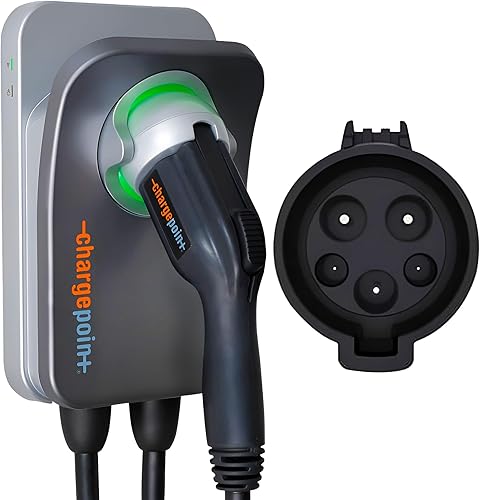
ChargePoint Home Flex
Hardwiring accepts breaker sizes from 20A up to 80A and lets you dial the output anywhere from 16A to a full 50A in the app, so one unit fits a tight 100A panel today and a bigger service later.
View on Amazon →
Wallbox Pulsar Plus 48A
There's no plug-in version of this one at all, so you're never tempted to derate it onto an outlet. The compact housing carries a NEMA Type 4 rating for outdoor mounting.
View on Amazon →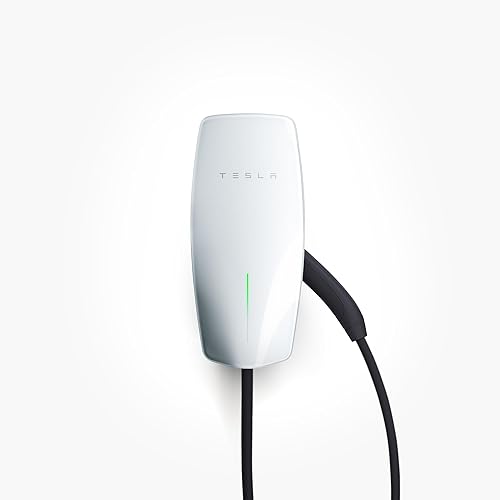
Tesla Wall Connector
Built and sold by Tesla for a NACS-only connection, hardwired by design with no cord-and-plug version to shop around for.
View on Amazon →Hardwire Candidates Head to Head
All three chargers can be hardwired straight into a dedicated breaker. Two also offer a plug-in option; the Wallbox does not.
| Charger | Max Amps | Connector | Install Type | Smart | Price | Link |
|---|---|---|---|---|---|---|
| ChargePoint Home Flex | 50A | J1772 | Hardwire or plug-in | WiFi, App, Alexa, Google | $$$$ | View |
| Wallbox Pulsar Plus 48A | 48A | J1772 | Hardwire only | WiFi, Bluetooth, App, Alexa, Google | $$$$ | View |
| Tesla Wall Connector | 48A | NACS | Hardwire only | Tesla App | $$$$ | View |
Price tiers are approximate. $ = under $50, $$ = $50 to 150, $$$ = $150 to 300, $$$$ = over $300. Tap any link for the current Amazon price.
Hardwired Homes Report Back
Spec sheets don't cover what an install actually feels like. Here's what shows up repeatedly in verified-purchase Amazon reviews and independent reviews for these three chargers.
ChargePoint Home Flex (4.3-star verified-buyer average)
Owners who went hardwired describe the process as straightforward for a licensed electrician, and several mention appreciating that the app lets them confirm the amperage setting after the fact rather than trusting a dial. The build quality gets consistent praise, and the smart-home integration (Alexa, Google Home) works as advertised for most reviewers, though a handful report early firmware hiccups with the app losing connection intermittently.
Wallbox Pulsar Plus 48A (4.3-star verified-buyer average)
Owners who hardwired the Pulsar Plus mention pulling a permit and scheduling an inspection as part of the job, consistent with it having no plug-in option to fall back on. The compact housing and the myWallbox app draw praise once the circuit is live, along with Power Sharing for households running two EVs off one panel. A recurring caution from cold-climate owners: the charging cable stiffens in freezing temperatures, so handle it gently rather than yanking it straight off the hook on a cold morning.
Tesla Wall Connector (4.8-star verified-buyer average)
This is the most consistently praised charger in the lineup among verified owners, with the design and finish drawing repeated compliments. Several reviewers who own a non-Tesla EV note they had to add an adapter or picked the Universal Wall Connector instead, since this exact unit only accepts a NACS plug. Installers are commonly cited as fast once the electrician is on site, since there's no outlet decision to make, just a fixed hardwire termination.
Jacob’s read on this category
Going hardwire-only is a one-way door in a way plug-in isn't. I can unplug my NEMA 14-50 charger and take it with me if I move; a hardwired unit stays behind or gets pulled off the wall by an electrician for the next owner to deal with. I still lean hardwired when a charger is rated above 40A, because the code-mandated 80 percent derating on a plug genuinely leaves speed on the table. Just don't pick hardwire out of habit if your EV's onboard charger caps out at 32A or 40A anyway. You'd be paying for headroom you can't use.
Why Hardwire at All
The National Electrical Code treats an EV charger as a continuous load, which means any circuit feeding a plug-in receptacle can only be loaded to 80 percent of its rating for charging that runs three hours or longer. A 50A NEMA 14-50 outlet, in practice, caps a plug-in charger at 40A. Hardwiring skips the plug and the outlet entirely, so a 48A or 50A charger delivers exactly what its nameplate says. That's the entire case for hardwiring: more of the amperage you already paid for actually reaches your car.
If your EV's onboard charger already tops out below 40A, this distinction barely matters day to day, and a NEMA 14-50 plug-in install gets you the same effective speed with an easier, cheaper job and the option to unplug the charger and take it if you move.
Charging Speed and Amperage
The ChargePoint Home Flex and Wallbox Pulsar Plus 48A both land in the same practical speed range once hardwired: roughly 30 to 37 miles of range added per hour, depending on your EV's onboard charger and efficiency. The Tesla Wall Connector matches that at its 48A setting for Tesla vehicles. None of these chargers can push more power into a car than the car's own onboard charger accepts, so buying the highest amperage unit only pays off if your EV can actually use it.
Before you lock in a breaker size, work backward from your EV's onboard charger rating, then confirm the circuit with a licensed electrician; our breaker sizing guide for 48A chargers walks through the wire gauge and breaker math for a hardwired run.
Smart Features
The ChargePoint Home Flex has the most complete smart feature set here: scheduling, per-session energy tracking, and reliable Alexa and Google Home integration layered on top of a well-reviewed app. The Wallbox Pulsar Plus 48A covers similar ground through the myWallbox app, adding Bluetooth as a local fallback if WiFi drops, plus Power Sharing that splits available amperage between two EVs on one circuit.
The Tesla Wall Connector's smart features live entirely inside the Tesla ecosystem. It reports charging status and history through the Tesla app for Tesla vehicles, but it doesn't offer third-party voice assistant integration the way the other two do. If your household has a non-Tesla EV in the mix, that's a real limitation worth weighing before buying, not a footnote.
Installation
All three chargers need a dedicated 240V circuit sized to their maximum amperage, and hardwiring any of them almost always triggers a permit and inspection in the eyes of your local building department; our guide to EV charger permits covers when that step can be skipped and when it can't.
The ChargePoint Home Flex is the most flexible to install because it supports either hardwire or plug-in NEMA 14-50, and the amperage is software-adjustable after the fact. The Wallbox Pulsar Plus 48A and Tesla Wall Connector are hardwire-only by design, which removes any ambiguity about the install path but also means there's no fallback if you decide later you'd rather have a portable, unpluggable unit.
Running a new circuit for any of these typically costs $300 to $800 with a licensed electrician, depending on panel distance and local labor rates. Budget without the federal credit: Section 30C terminated for chargers placed in service after June 30, 2026. Hardwired installs completed by that date can still be claimed (30% of charger plus labor, up to $1,000), but new projects should lean on state and utility rebate programs instead.
Which Hardwired Charger to Buy
Get the ChargePoint Home Flex if you want one charger that can flex with a changing panel, a future EV with a different onboard charger, or a household that might add a second car.
Get the Wallbox Pulsar Plus 48A if you've already decided on a permanent hardwired install and want a compact, outdoor-rated unit with Power Sharing for two EVs.
Get the Tesla Wall Connector if every EV in your driveway is a Tesla and you want the cleanest, most minimalist hardware built specifically for that connector.
FAQ
Selection Criteria, Explained
We narrowed this list to chargers that are either hardwire-only or that support a genuinely full-featured hardwired install, then confirmed each unit's connector, adjustable amperage range, and smart-feature set against its own manufacturer spec sheet and current Amazon listing on October 17, 2026. Each pick also had to clear a verified-buyer star average worth trusting before it made the cut.
No manufacturer pays for placement here and we do not accept review units; the picks come from manufacturer spec sheets, certification listings, and the recurring themes in verified-buyer reviews.
Prices and availability reflect Amazon listings at time of writing. Confirm on the product page before purchase.