Quick answer: the EV6's 11 kW onboard charger sets the ceiling, and the Emporia Pro Level 2 hardwired at 48A reaches it with load management in the box. A deeper smart-home stack is the reason to choose the ChargePoint Home Flex in the same price tier; skipping apps entirely is the reason to pay less for the Grizzl-E Classic.
The EV6 Call
Emporia Pro Level 2
Hits the EV6's 11 kW ceiling hardwired at 48A, with PowerSmart load management and scheduling bundled in.
See it on Amazon →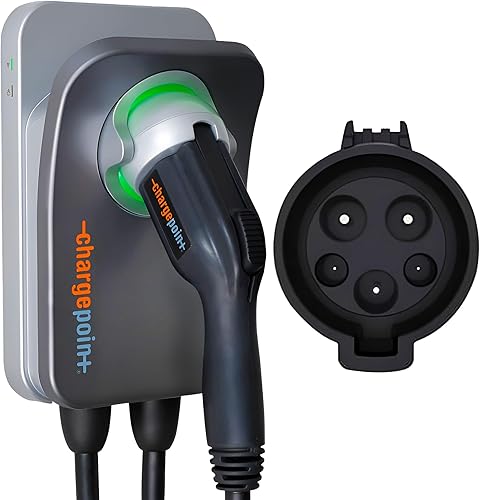
ChargePoint Home Flex
Amperage dials from 16A to 50A, covering the EV6’s 48A home ceiling exactly, with the deepest energy analytics in this comparison per verified-buyer reviews and clean Alexa and Google Home hooks.
Check it on Amazon →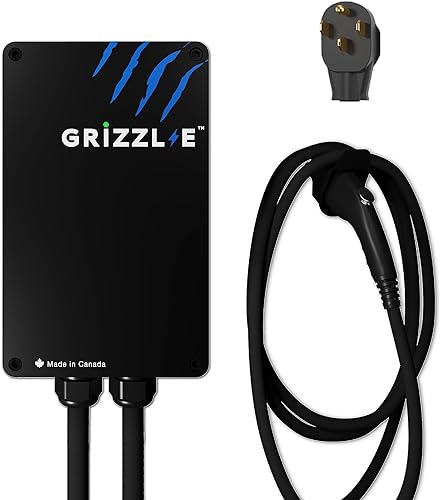
Grizzl-E Classic
No app, no WiFi, just 40A through a 24-ft cable with a NEMA 3R case. It gives up a few miles per hour against the EV6’s 48A ceiling yet still refills the 77.4 kWh long-range pack overnight.
See it on Amazon →EV6 Shortlist, Side by Side
All three chargers use the standard J1772 connector. That's a direct fit for any 2022 to 2024 Kia EV6, and a perfect fit for 2025+ EV6 trims using the bundled J1772 to NACS adapter that ships with the car. Speed figures show miles of EV6 range added per hour of charging.
| Charger | Amps | EV6 Speed | Smart | Plug | Price | Link |
|---|---|---|---|---|---|---|
| Emporia Pro Level 2 | 48A | 28 mi/hr | WiFi, App | NEMA 14-50 / Hardwire | $$$$ | View |
| ChargePoint Home Flex | 50A | 28 mi/hr | WiFi, App, Alexa, Google | NEMA 14-50 / Hardwire | $$$$ | View |
| Grizzl-E Classic | 40A | 24 mi/hr | None | NEMA 14-50 | $$$$ | View |
Price tiers are approximate. $ = under $50, $$ = $50 to 150, $$$ = $150 to 300, $$$$ = over $300. Tap any link for the current Amazon price.
EV6 Owners' Experience With Each Pick
Spec sheets only tell half the story. Here's what shows up repeatedly in verified-purchase Amazon reviews for the products in this comparison. The EV6-specific themes below were pulled from each product page's top-helpful reviews in October 2026.
Emporia Pro Level 2 (4.8-star verified-buyer average)
One verified owner writes that the install went fast, with a typical wall mount and circuit hookup taking around 75 minutes before the unit was charging. Another long-form review describes the day-to-day reliability in plainer terms, calling it dependable as a daily home EVSE. That same owner flags that the power cord is thick and not very flexible, so check clearance before you pick a mounting spot for an EV6 parked nose-in.
ChargePoint Home Flex (4.3-star verified-buyer average)
A verified owner who works for a major car brand writes that the unit is well thought out and feels like a quality piece, and that they mounted it to an existing 14-50 outlet themselves. The 1-star reviews are loud, though. The top-helpful negative feedback is scathing about repeated firmware and connectivity issues, so the app side is not bulletproof.
Grizzl-E Classic (4.6-star verified-buyer average)
The top-helpful review nails the pitch: no frills and very heavy duty materials, with a steel enclosure that does not get hot even under a sustained 40A load. Another verified owner, two years in, still calls the charger simple and durable, with no Bluetooth, no WiFi, and no programming. A third review describes the build as industrial grade, which lines up with the tone of the other 4-and-5-star write-ups for EV6 owners who park outside.
Jacob’s read on this category
With the EV6 you can skip most of the spec war: every trim, both battery packs, even the GT, accepts the same 11 kW at home, so you are really shopping for the scheduling and tracking wrapped around a fixed ceiling. I would anchor the charge schedule at the wall unit rather than in Kia Connect, because a wall-side schedule keeps running through car-app changes and 12V hiccups. The 2025 NACS port change does not move the math either; the adapter rides in the trunk and home charging stays J1772. Buy once for the 48A ceiling and the box should outlast the car loan.
Kia EV6 Charging Basics
The Kia EV6 ships with an 11 kW onboard charger that accepts up to 48A on a 240V circuit at home. That number is the same across rear-wheel drive and all-wheel drive trims, and the same across both the standard 58 kWh and long-range 77.4 kWh battery packs. It is also the speed limit for the GT trim, since GT mode only matters at DC fast chargers, not at home Level 2.
For 2022 through 2024 EV6 owners, charging at 48A adds roughly 28 miles of range per hour. A full charge from near-empty on the long-range pack takes about 7 hours. Every unit in this EV6 lineup refills the long-range pack inside a normal overnight window, so the choice is about panel fit and software, not speed.
Kia made a real switch on the 2025 model year. Those EV6 trims ship with a NACS port natively and a J1772 to NACS adapter in the trunk. The home charging picture stays the same, since every charger here uses J1772 and the bundled adapter handles the connection. Charging speed at the wall stays capped at 11 kW, which is the EV6 onboard charger limit, not a J1772 limit.
Charging Speed
The EV6's 11 kW onboard charger sets a hard ceiling. The car's 11 kW limit, not the wall unit, decides the EV6's AC charging speed. The Hyundai Ioniq 5 shares that E-GMP ceiling, and the wider field is ranked in our Level 2 roundup. That means the 48A Emporia and the 50A ChargePoint deliver the same effective speed at home. The only real difference in this group comes from the Grizzl-E Classic at 40A, which adds about 24 miles of range per hour instead of 28.
Translating that into daily life: for a 50-mile commute, any charger here refills what you used in roughly two hours. Drive 150 miles in a day and you'll need around 5.5 hours on a 48A unit or around 6.5 hours on the Grizzl-E. Either way, overnight charging handles both scenarios with plenty of room to spare on the EV6's 77.4 kWh long-range pack.
Smart Features vs Kia Connect
For the EV6 the smart-feature race is between the ChargePoint Home Flex and the Emporia Pro, judged against what Kia Connect already gives you. Both wall units cover off-peak scheduling, long-term energy tracking, and remote control. ChargePoint layers on session-by-session history with per-session cost math and the tightest Alexa and Google Home integration, while Emporia handles the scheduling and tracking an EV6 driver actually touches each week and adds PowerSmart load management at the same $$$$ tier.
For EV6 owners on a time-of-use electric plan, off-peak scheduling is the smart feature that pays for itself fastest. The Kia Connect app inside the EV6 also has a charge schedule, but anchoring the schedule at the wall charger sidesteps any 12V issue or app dropout that might keep the car from waking up to charge on time. Both the Emporia and ChargePoint handle that without a hiccup.
The Grizzl-E Classic carries no WiFi, app, or scheduling logic of its own; amperage is set with internal DIP switches and it simply charges whenever the EV6 is plugged in. If you just want dependable hardware without scheduling or energy tracking, that is fine. But you cannot shift charging to off-peak hours unless you physically time when you plug in or you set the schedule from the EV6 itself.
Installation
All three chargers need a dedicated 240V circuit, and for the EV6 specifically a 60A hardwired run is the only way to reach the car's full 11 kW; a 50A circuit with a plug caps charging at 40A, which is still plenty for overnight top-ups. The Emporia, ChargePoint, and Grizzl-E all use a NEMA 14-50 plug, the same outlet that big appliances like electric dryers use. If your garage already has a 240V outlet, any charger here is basically plug-and-play for an EV6 owner.
Budget $300 to $800 of electrician time if the circuit does not exist yet; the spread mostly tracks the distance from your panel to the parking spot and local labor rates. The Section 30C federal credit is off the table for new installs; it terminated for chargers placed in service after June 30, 2026, and only jobs completed by that date can still claim the 30% (up to $1,000). State and utility rebates are the remaining way to trim the bill.
The ChargePoint Home Flex can be hardwired as well as plugged in, and its output is set anywhere from 16A to 50A in the app. That is handy if your electrical panel is close to capacity and you need to share headroom with other loads, or if you ever add a second EV that pulls more than the EV6's 11 kW onboard limit.
Which Charger to Get for the Kia EV6
Get the Emporia Pro if you want the EV6's full 11 kW with an app that also watches the rest of the panel. It matches the EV6's full 48A home limit, handles scheduling and energy monitoring, and bundles the load management ChargePoint leaves to an electrician's add-on.
Get the ChargePoint Home Flex if the EV6 shares a panel that needs the 16A to 50A dial, if Kia Connect's scheduling leaves you wanting the deeper ChargePoint app, or if a second EV is likely to join it. The 50A ceiling is also useful if a future household car has an onboard charger above 11 kW.
Get the Grizzl-E Classic if the EV6's own in-car scheduling is all the software you want and a cast-aluminum, NEMA 4 box that ignores weather is the priority. Pair it with the EV6's in-car charge schedule and you still get off-peak charging without paying for a smart wall unit.
FAQ
How We Picked These for the EV6
For this comparison we checked every charger against the Kia EV6's 11 kW onboard charger limit. Anything above 48A delivers zero extra speed to an EV6, so we focused the shortlist on the 40 to 48 amp band where the price-to-speed math actually changes. Live Amazon prices and stock were pulled on October 17, 2026, and each candidate got checked against the top-helpful verified reviews on its own product page (rating, distribution, and the first five reviews) before it made the cut. Specs and pricing in this article should be confirmed on the product page before purchase, since both can change after publication.
Kia's 11 kW AC spec, the charger makers' own documentation, certification databases, and verified-buyer reviews are the inputs here; placement is never paid and review units are never accepted.