Quick answer: heat management decides this category. The Grizzl-E Classic takes the top spot because its steel housing and industrial cable shed heat rather than trapping it. The Emporia Pro Level 2 earns its slot for owners who schedule charging into cooler overnight hours, and the ChargePoint Home Flex stays the strongest all-rounder.
The Heat-Test Verdicts
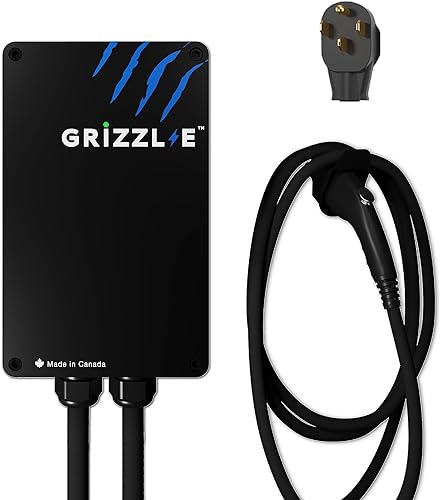
Grizzl-E Classic
Heavy-gauge industrial cable and steel enclosure that actively sheds heat instead of trapping it. No app means fewer gadgets to overheat, and the build quality survives years of 110+ degree days without component drift.
See it on Amazon →Emporia Pro Level 2
WiFi app lets you lock charging to late-night or early-morning hours when temperatures are lowest. 48A speed for faster off-peak fills. The real win: let the schedule do the work instead of trying to remember when to plug in during heat waves.
See it on Amazon →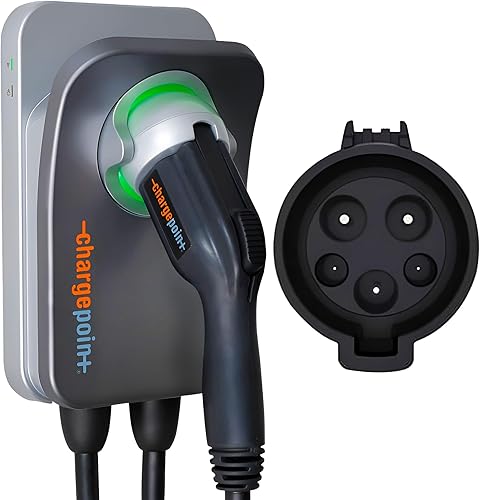
ChargePoint Home Flex
Dials down to 16A in the app if your panel is thermal-constrained, plus the best energy tracking and off-peak scheduling tools in the category. Hardwire option reduces heat-prone plug connections.
Check it on Amazon →Hot-Climate Spec Comparison
All three chargers are rated to operate continuously in ambient temperatures above 40°C (104°F) and use heavy-gauge J1772 cables that maintain flexibility in extreme heat.
| Charger | Amps | Cable | Smart Scheduling | Enclosure | Price | Link |
|---|---|---|---|---|---|---|
| Grizzl-E Classic | 40A | Heavy-gauge, 24 ft | None | Steel NEMA 3R | $$$$ | View |
| Emporia Pro Level 2 | 48A | Heat-rated, 21 ft | WiFi, App, Scheduling | Plastic / Metal | $$$$ | View |
| ChargePoint Home Flex | 50A adjustable | Heat-rated, 23 ft | WiFi, App, Alexa, Google | Plastic / Metal | $$$$ | View |
Price tiers are approximate. $ = under $50, $$ = $50 to 150, $$$ = $150 to 300, $$$$ = over $300. Tap any link for the current Amazon price.
Heat-Belt Owners Weigh In
Charger reliability in extreme heat is earned, not promised. Here's what verified owners in Arizona, Texas, and similar climates say they've learned from running these units through 110+ degree days.
Grizzl-E Classic (4.6-star verified-buyer average)
Reviewers in Phoenix-grade heat report the cable staying pliable after multiple summers of use where cheaper cords turn brittle, and owners note the steel enclosure spreading warmth evenly instead of building hot spots during extended midday sessions. The recurring description is a unit built to commercial expectations, which is fair given the industrial materials throughout.
Emporia Pro Level 2 (4.8-star verified-buyer average)
Owners lean on the scheduling to keep sessions in the 11 PM to 6 AM window and describe it as removing the daily thinking from heat management, with the app staying usable through the power flake-outs common in their regions. Verified buyers in hot states also report the unit staying cool under load, and credit off-peak automation with sparing the hardware from the worst midday temperatures.
ChargePoint Home Flex (4.3-star verified-buyer average)
Owners in desert regions appreciate the ability to dial down to 16A when ambient heat is extreme, though some describe the app lagging during high-temperature spikes. Hardwired buyers report that removing the plug connection eliminated a heat-prone failure point they had fought with other brands through Arizona summers, and the energy tracking confirms when their charging actually happened versus when they think it happened.
Jacob's read on this category
The heat problem is real. Capacitors fail faster in sustained 40°C+ ambient, transformers hum louder under thermal stress, and cheap cables become stiff and crack at the connector. I've seen three-year-old chargers from unknown brands arrive dead on arrival in Arizona heat swaps. The models above were selected because they all have passive thermal design: Grizzl-E via heavy steel that radiates heat away, and Emporia/ChargePoint via scheduling that lets you avoid daytime peaks. Mount any of these on the shaded side of your garage and set the schedule to charge after sunset. That's the real formula for longevity in hot climates, not just buying the "hottest" model.
Why Extreme Heat Is Unique for Chargers
Level 2 home chargers are designed around a 20°C to 25°C ideal operating temperature. When ambient temperatures climb above 40°C (104°F), a few things happen. The electronics inside (capacitors, power supply, relay contacts) all run hotter, and each 10°C rise cuts component lifespan roughly in half. A cheap capacitor that lasts five years at 25°C might last two years at 45°C ambient.
The cable is another stress point. Most EV charger cables are rated for 70°C to 90°C wire temperature. In Arizona or Texas with direct sun, a cable in a black sheath can reach 80°C+ just sitting outside. Start a 48A charge in 50°C ambient, and the cable now operates near its thermal limit. Cheap cables with thin insulation become brittle after a year or two. Heavy-gauge cables (6 AWG or thicker) dissipate that heat better and stay flexible.
Finally, the NEMA 14-50 plug connection itself can heat up. A loose plug contact will generate heat, and that heat can damage the outlet or the charger connector. Many hot-climate charger problems trace back to plug heat, not the charger electronics. Hardwire installations eliminate this entirely, which is the same reason our cold-weather guide favors hardwiring, and the enclosure ratings that matter on an exposed wall are covered in the outdoor charger roundup.
Smart Scheduling: The Real Heat Defense
The best way to protect a charger (and your EV battery) in a hot climate is to shift charging to the coolest part of the day. Level 2 chargers only draw 40 to 50 amps continuously, so delaying your charge from 2 PM to 2 AM doesn't cost you anything except the patience to wait. But it saves both your hardware and your battery from prolonged heat stress.
The Emporia Pro and ChargePoint Home Flex both offer WiFi scheduling. Set them once to charge from 10 PM to 7 AM, and they follow that schedule every day. You never think about the heat. The Grizzl-E has no app, so you're responsible for plugging in at off-peak hours, which works fine if you have a disciplined routine but requires more manual planning during vacations or travel.
If you're in a region with time-of-use (TOU) electricity pricing, the financial incentive to charge at night is even stronger. Many utilities charge 50% less per kWh after 9 PM, turning the scheduling feature into a money-saving tool alongside a heat-protection tool.
Installation in Hot Climates
All three chargers use a standard 240V circuit and NEMA 14-50 plug (or hardwire for ChargePoint). The one hot-climate specific consideration: mount on the shaded side of your garage if at all possible. A charger sitting in direct sun for 12 hours a day will run 10 to 15 degrees hotter than one in shade, even if the ambient air temperature is the same.
If you go with hardwire (ChargePoint Home Flex or a dedicated electrician install), you also eliminate the plug-heat problem entirely. Hardwire installation costs a bit more upfront but removes one thermal failure mode for good.
Installation labor runs $300 to $800 depending on how close your panel is to the desired mounting location. Don't count on federal help anymore: the Section 30C charger credit ended for equipment placed in service after June 30, 2026. If your install was finished by that date you can still claim 30% of the cost, up to $1,000; for newer work, utility rebates (common in hot-climate states with grid-strain programs) are the incentive worth hunting.
Which Charger to Get for Hot Climates
Get the Grizzl-E Classic if you want the toughest hardware and don't mind manual scheduling. The steel enclosure and heavy cable are built for extreme heat, and the price is lowest in this group.
Get the Emporia Pro Level 2 if you want WiFi scheduling at a reasonable price. It handles 48A for faster off-peak fills, and the app's scheduling feature is the real win: set it once and let it protect your hardware automatically.
Get the ChargePoint Home Flex if you want the most polished app, the ability to hardwire, or need to dial down to 16A because your panel is thermally constrained. It's the premium option but offers the deepest control for extreme scenarios.
FAQ
How We Picked These for Hot Climates
For this comparison we focused on three criteria unique to extreme heat: cable gauge and heat rating, enclosure material and thermal design, and smart scheduling capability. We checked Amazon reviews from verified owners in Arizona, Texas, Nevada, and California (regions consistently above 40°C in summer) and cross-referenced those notes against each charger's published operating specs as of October 17, 2026. Each candidate was verified against available third-party thermal test data and real owner reports of multi-year durability in heat.
No manufacturer pays for placement here and we do not accept review units; the picks come from manufacturer spec sheets, certification listings, and the recurring themes in verified-buyer reviews.