Quick answer: renters should buy hardware that moves out when they do. That is the bokman Portable 32A: it stores in a closet, plugs into any 240V NEMA 14-50 outlet, and leaves nothing mounted to the wall. With permission to mount something, the Grizzl-E Classic Connect is the toughest plug-in and works with or without its app, while the ChargePoint Home Flex can dial its amperage down to suit a shared panel.
The Renter's Verdict
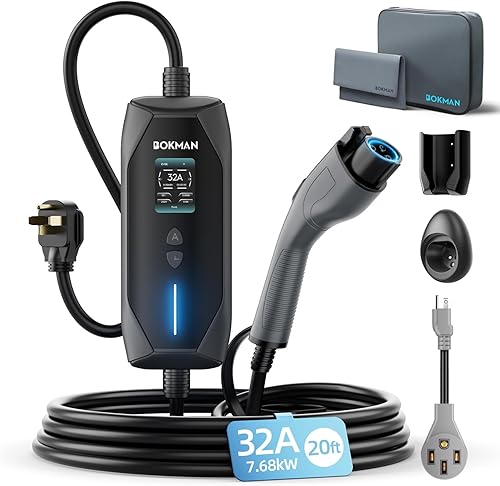
bokman Portable 32A
Nothing gets bolted to the wall or wired into the panel. Plug it into a NEMA 14-50 outlet, charge overnight, and unplug it to bring along when the lease is up.
View on Amazon →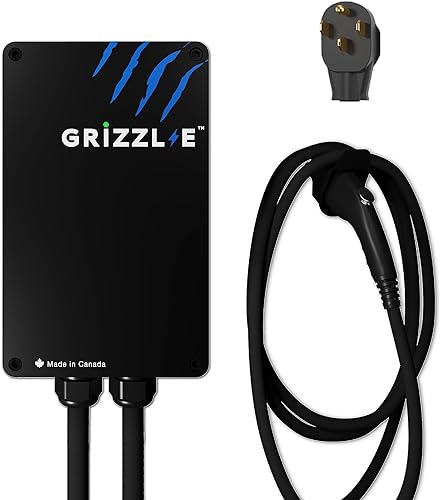
Grizzl-E Classic Connect
40A charging through a NEMA 14-50 plug in the same rugged metal enclosure the Grizzl-E line is known for. WiFi and the app are there if you want charge scheduling, but the unit charges plug-and-play without ever creating an account.
See it on Amazon →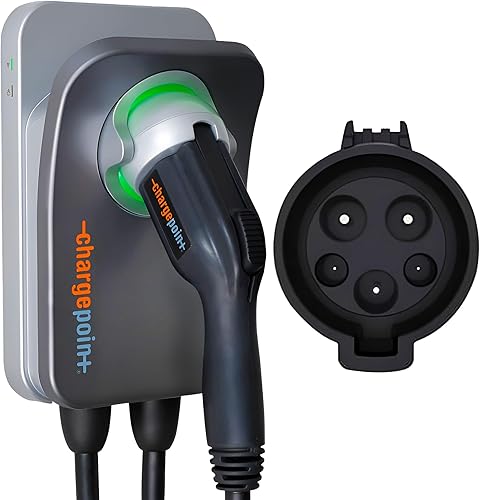
ChargePoint Home Flex
Adjustable from 16A to 50A, which matters when a condo's electrician needs to fit your charger into a load calculation shared with other units. Hardwire or plug-in, whichever the HOA approves.
Check it on Amazon →Renter-Friendly Specs Compared
All three chargers use the standard J1772 connector. The differences that matter most for an apartment or condo are install type and how much of the building's electrical panel each one asks for.
| Charger | Amps | Install Type | Takes With You | Smart | Price | Link |
|---|---|---|---|---|---|---|
| bokman Portable 32A | 32A | Plug-in only (NEMA 14-50) | Yes, fully portable | Check listing | $$$ | View |
| Grizzl-E Classic Connect | 40A | Plug-in (NEMA 14-50) | Unplugs, but built for a fixed mount | WiFi + app (optional) | $$$$ | View |
| ChargePoint Home Flex | 16-50A adjustable | Hardwire or plug-in | No, if hardwired | WiFi, App, Alexa, Google | $$$$ | View |
Price tiers are approximate. $ = under $50, $$ = $50 to 150, $$$ = $150 to 300, $$$$ = over $300. Tap any link for the current Amazon price.
What Renters Say About These Chargers
Spec sheets don't cover what it's like to run one of these off an apartment or condo outlet. Here's what shows up repeatedly in verified-purchase Amazon reviews for the products in this comparison, pulled from the top-helpful reviews on each product page as of October 17, 2026.
bokman Portable 32A
This is a newer listing without an established verified-buyer rating yet, so treat it as an option to evaluate against the current reviews on the product page rather than a guaranteed pick. Buyers in this portable class generally cite the small footprint and the ability to stash the unit in a trunk or closet between charges, which lines up with why it fits a rental situation.
Grizzl-E Classic Connect (4.4-star verified-buyer average)
The Classic Connect replaced the long-running Grizzl-E Classic on Amazon in 2026 and keeps what buyers consistently praised in that line: the heavy metal enclosure and reliable plug-in 40A charging that holds up outdoors. The Connect adds WiFi and an app for charge scheduling, but the listing itself states charging works with or without an online connection, so a renter who never wants a charger tied to a building's shared WiFi can simply skip the app entirely.
ChargePoint Home Flex (4.3-star verified-buyer average)
Verified buyers repeatedly describe the hardware as well thought out and straightforward to mount on an existing 14-50 outlet without an electrician, including a reviewer who works for a major car brand. The 1-star reviews are loud though: the most visible complaints center on repeated firmware and connectivity frustration, so the app side isn't bulletproof if your unit's WiFi signal is weak in a garage.
Jacob’s read on this category
Renters ask me about amperage first and the lease clause second, and that's backwards. The single biggest factor in whether you get to charge at home at all is whether your landlord or HOA will sign off on anything, plug-in or hardwired. Once you have that approval, a fully portable unit is the only choice that survives you moving out, which is worth more to most renters than an extra 8A of speed.
Apartment and Condo Charging Basics
Apartments and condos add a layer single-family homeowners never deal with: someone else owns the electrical infrastructure. A landlord has to approve any new circuit, and a condo HOA often has to weigh in on shared garage wiring too. Some states have passed right-to-charge laws that limit how much a condo association can refuse, but renters generally still need the landlord's written sign-off before touching the panel.
That approval process is exactly why install type matters more here than in a single-family installation guide. A plug-in charger on a NEMA 14-50 outlet is a much smaller ask than a hardwired unit, since the outlet itself can be removed and the space returned to normal if you ever leave.
If your building doesn't have a 240V outlet in the garage yet, that's usually the actual project: getting one added, not picking a charger. Once the outlet exists, any of the three chargers above plugs straight in.
Charging Speed by Amperage
The bokman's 32A output adds roughly 24 miles of range per hour, which covers a typical daily commute overnight with room to spare. The Grizzl-E's 40A step adds about 30 miles per hour. The ChargePoint Home Flex tops out at 50A, adding around 35 miles per hour when dialed all the way up, but most apartment installs never need the top setting since overnight hours already cover a full charge at the lower amperages.
For a building with a tight shared panel, dialing a charger down to 24A or 32A instead of maxing it out at 48A or 50A is often the difference between an electrician approving the install same-day and one that gets stuck in a longer load-calculation review. Our NEMA 14-50 vs hardwire comparison covers that trade-off in more depth if your building is on the fence about which install type to allow.
Smart Features
The ChargePoint Home Flex has the strongest smart features here: off-peak scheduling, session-by-session energy tracking, and Alexa and Google Home integration. That scheduling feature is genuinely useful in a building with time-of-use electricity rates baked into a shared utility bill, since you can shift charging to overnight hours automatically instead of remembering to plug in at a specific time.
The Grizzl-E Classic Connect sits in the middle. It has WiFi and an app, but neither is required: plug it in and it charges, and the smart features stay dormant unless you set them up. For a renter who doesn't want a charger tied to a building's guest WiFi network, treating it as a dumb charger works fine.
The bokman Portable 32A's smart feature set isn't independently confirmed here, so check the current Amazon listing for scheduling or app support before assuming either way.
Installation and Getting Permission
Start with your lease or HOA bylaws, not the charger. Most landlords want to know the install is reversible and that a licensed electrician did the work if a new circuit is involved. A NEMA 14-50 outlet added by an electrician typically runs a few hundred dollars in labor. Note that the federal Section 30C charger credit expired for equipment placed in service after June 30, 2026, so a new install today no longer qualifies; only work completed by that date can still be claimed (30% of installed cost, up to $1,000). Renters should look instead at state and utility rebates, and confirm eligibility for a rental property with a tax professional.
Once an outlet exists, the bokman and Grizzl-E both plug straight into it with no electrician visit needed. The ChargePoint Home Flex can also be hardwired if your HOA specifically wants a permanent, code-inspected install instead of a plug-in unit; ask before assuming either option is preapproved.
If you're weighing whether to push for a plug-in outlet versus a full hardwire in a shared building, our portable charger roundup breaks down the portable side of that decision in more detail.
Which Charger to Get for an Apartment or Condo
Get the bokman Portable 32A if you're renting and want a charger that comes with you to the next place. It asks the least of a shared panel and never becomes the landlord's property.
Get the Grizzl-E Classic Connect if you want the toughest hardware of the three and your building already has a 240V outlet ready to go; use its app for scheduling or ignore it completely.
Get the ChargePoint Home Flex if your condo's electrician wants an adjustable unit to fit a specific load calculation, or if off-peak scheduling matters for your utility rate plan.
FAQ
How We Picked These for Apartments and Condos
For this comparison we filtered for install flexibility first: every charger here works from a standard NEMA 14-50 outlet without requiring a hardwire, since that's the install path most landlords and HOAs will actually consider. Amazon prices and stock were re-checked against the current listings on October 17, 2026, and each candidate got checked against the top-helpful verified reviews on its own product page (rating, distribution, and the first five reviews) before it made the cut.
No manufacturer pays for placement here and we do not accept review units; the picks come from manufacturer spec sheets, certification listings, and the recurring themes in verified-buyer reviews.
Every pick on this page was re-verified against its live Amazon listing on October 17, 2026: the bokman Portable 32A, the Grizzl-E Classic Connect, and the ChargePoint Home Flex were each checked for ASIN identity, price tier, and in-stock availability. Confirm on the product page before purchase.