Quick answer: budget for the electrician before you budget for the charger. A plug-in unit into an existing NEMA 14-50 outlet, like the Grizzl-E Classic Connect or the NexCyber Level 2 48A, is the cheapest path to a working install because there's no new dedicated circuit to run. A hardwire-only unit like the Tesla Universal Wall Connector costs more in labor no matter where you live, since an electrician's visit isn't optional.
What Actually Drives the Bill
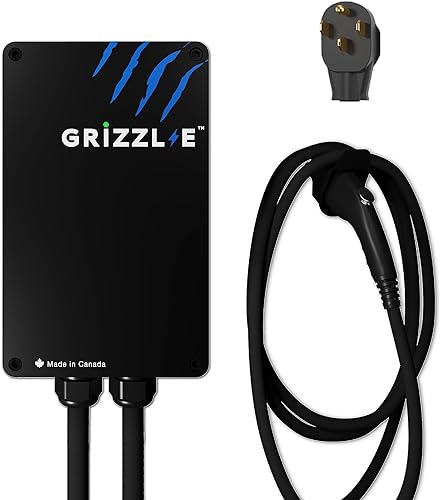
Grizzl-E Classic Connect
Plugs into a NEMA 14-50 outlet like the one your dryer already uses. If that outlet exists, the electrician's job shrinks to almost nothing.
View on Amazon →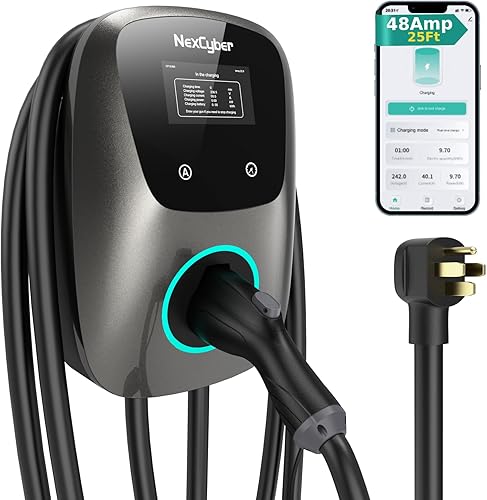
NexCyber Level 2 48A
Same plug-in cost advantage as the Grizzl-E, at the lowest sticker price of the three, with full 48A on tap when your panel can spare it.
View on Amazon →Tesla Universal Wall Connector
No plug-in cord option at all. Every install needs an electrician to run and terminate a dedicated circuit, which is where the labor line grows.
View on Amazon →Install Type, Amperage, and Price Tier
The install type below is the single biggest cost lever. Amperage and connector matter for charging speed, but they barely move the labor bill.
| Charger | Install Type | Amps | Connector | Price | Link |
|---|---|---|---|---|---|
| Grizzl-E Classic Connect | NEMA 14-50 plug-in | 40A | J1772 | $$$$ | View |
| NexCyber Level 2 48A | NEMA 14-50 plug-in | 48A | J1772 | $$$ | View |
| Tesla Universal Wall Connector | Hardwire only | 48A | NACS + J1772 | $$$$ | View |
Price tiers are approximate. $ = under $50, $$ = $50 to 150, $$$ = $150 to 300, $$$$ = over $300. Tap any link for the current Amazon price.
What a Level 2 Install Actually Costs
Nationally, a straightforward Level 2 install runs somewhere between $600 and $2,500 all-in, hardware and labor combined, with most jobs landing closer to $1,000 to $1,700. Three variables push you toward either end of that range: whether the charger plugs into an outlet or has to be hardwired, how far the run is from your electrical panel to the mounting spot, and whether your panel has spare capacity or needs an upgrade first.
A plug-in install where a compatible 240V outlet already exists is the cheapest scenario, because the electrician is only checking and possibly swapping the outlet rather than running a full new circuit. A hardwired install, especially through finished drywall or a long conduit run, adds several hours of labor. If your panel is already full, adding a subpanel or upgrading the main service can add roughly $800 to $3,500 on top of everything else, and that single line item is often bigger than the charger and the rest of the labor combined.
Local labor rates are the other half of the "by state" question. Electricians in higher cost-of-living metro areas bill noticeably more per hour than electricians in lower cost-of-living regions, and that gap alone can shift an otherwise identical job by several hundred dollars. Permit and inspection fees add a smaller amount on top and vary by city and county more than by state line, so a quick call to your local building department beats guessing from a state-level average.
What Buyers Say About Getting These Installed
Spec sheets don't cover the install experience. Here's what shows up repeatedly in verified-purchase Amazon reviews for the products in this comparison, paraphrased in our own words.
Grizzl-E Classic Connect (4.4-star verified-buyer average)
Buyers who already had a NEMA 14-50 outlet from a dryer or range consistently describe a same-day, no-electrician install. Reviewers who needed a new outlet run instead report the job taking longer and costing more, which tracks with plugging into existing wiring being the cheap path and adding new wiring not being.
NexCyber Level 2 48A (4.6-star verified-buyer average)
Owners highlight the low sticker price relative to full 48A output, and several mention swapping it in for an older, slower unit without changing their existing outlet. It's a newer listing on Amazon, so weigh the review count accordingly against more established brands.
Tesla Universal Wall Connector
Owners in mixed-EV households consistently call out that the hardwire requirement means budgeting for an electrician regardless of what's already in the garage. The flexibility on breaker size, from a 15A to a 60A circuit, is the tradeoff reviewers cite for accepting the extra labor cost up front.
Jacob’s read on this category
The gotcha nobody budgets for is the panel capacity check, not the charger itself. I've seen a straightforward plug-in job turn into a four-figure job the moment the electrician opens the panel and finds no room for a new breaker. Before you fall in love with a specific charger's amperage, get one electrician out to look at your actual panel. It costs you a service call, and it can save you from buying a 48A unit your 100A service can't feed without an upgrade you didn't plan for.
Why the Same Job Costs Different Amounts in Different Places
Two houses with identical panels, identical garages, and the identical charger can still land on different final bills once you cross state lines, and the reason is almost always labor rate, not equipment. Electricians in high cost-of-living states bill meaningfully more per hour than electricians in lower cost-of-living states, so the same three-to-five-hour job costs more in one zip code than another. Permit fees compound this at the city and county level: some jurisdictions charge a flat electrical permit fee, others price it by the value of the work, and some require a follow-up inspection that adds a scheduling delay if not a hard dollar cost.
The practical takeaway is to get at least two local quotes rather than anchoring on a national average, since your own municipality's rules and your own electrician's rates matter more than any single number in this article.
Rebates and Incentives Worth Checking
The federal Section 30C tax credit is no longer available for new EV charger installs. It was terminated by P.L. 119-21 for equipment placed in service after June 30, 2026. If your install was finished on or before that date, you can still claim 30% of the cost up to $1,000 when you file. For anything installed after that cutoff, the credit is gone, full stop.
That doesn't mean there's nothing left. Many electric utilities still run their own Level 2 charger or off-peak-charging rebate programs, often in the $250 to $500 range, and some state energy offices have separate incentives that stack with utility programs. Check your utility's website and your state energy office directly rather than assuming a program from a year ago is still funded. If you're weighing a plug-in outlet against a full hardwired circuit, factor any remaining rebate into that decision since some utility programs only cover one install type.
Don't Skip the Permit to Save Money
Skipping a required electrical permit to save the fee is a common shortcut, and it's a bad one. An unpermitted 240V circuit can complicate a home sale, void part of your homeowner's insurance claim if something goes wrong, and in the worst case create a real fire risk if the work wasn't inspected. Our full permit walkthrough covers when a permit is required and roughly what it costs, and our breaker sizing guide is a good next stop once you know which charger you're installing, since the permit application usually asks for that number directly.
Which Path Keeps Your Total Cost Down
Get the Grizzl-E Classic Connect if you already have a NEMA 14-50 outlet from a dryer or range. It's the shortest path to a working charger and the smallest labor bill of the three.
Get the NexCyber Level 2 48A if you want the lowest total spend while still hitting full 48A speed on a plug-in install, and you don't mind a newer brand with a smaller track record.
Get the Tesla Universal Wall Connector if you're committing to a permanent hardwired setup anyway, want NACS and J1772 in one unit, and are budgeting for an electrician's visit from the start.
FAQ
How We Priced This Out
Install-cost ranges here come from cross-referencing multiple 2026 electrician and installer cost breakdowns rather than any single source, since labor pricing is the kind of number that drifts fastest. Charger specs and price tiers were checked against the current Amazon listings on 2026-08-10, and each pick's install type (plug-in versus hardwire-only) was confirmed against its own spec sheet rather than assumed from a similar model in the same lineup.
No manufacturer, electrician network, or rebate program pays for placement here, and we do not accept review units. Get a local quote before you commit to a number from any article, including this one.