Quick answer: if your panel has room for a dedicated 60A hardwired circuit or you want Alexa and Google Home tied into charging, get the ChargePoint Home Flex. If you already have a NEMA 14-50 outlet in the garage and want a plug-in unit with a cleaner enclosure and adjustable amperage without an electrician, the Autel MaxiCharger gets you charging the same afternoon.
Two Smart Chargers, Two Different Jobs
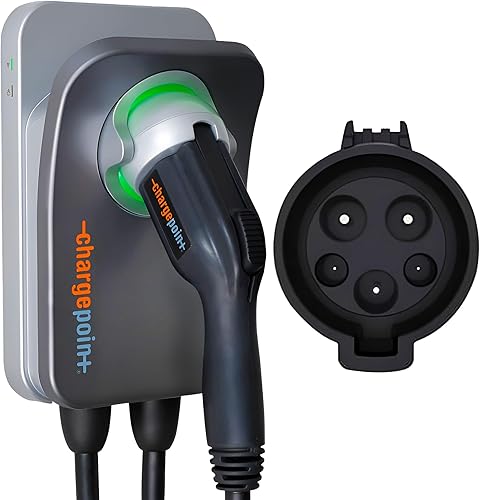
ChargePoint Home Flex
Adjustable from 16A up to 50A, installs plug-in or hardwired, and pairs with Alexa and Google Home for voice status checks. The most flexible of the two for an unfinished panel plan.
Check it on Amazon →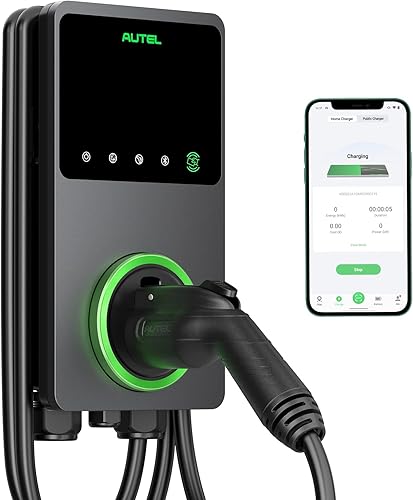
Autel MaxiCharger
Ships as a NEMA 14-50 plug-in unit with a NEMA 4X weatherproof rating for indoor or outdoor mounting, plus app-adjustable amperage from 16A to 40A.
See it on Amazon →The Two Chargers, Side by Side
Both chargers use the standard J1772 connector and control settings from a phone app, so the differences come down to ceiling amperage, mounting method, and how each app plugs into the rest of a smart home.
| Charger | Amps | Connector | Installation | Smart Home | Price | Link |
|---|---|---|---|---|---|---|
| ChargePoint Home Flex | 16-50A adjustable | J1772 | NEMA 14-50 or Hardwire | WiFi, App, Alexa, Google | $$$$ | View |
| Autel MaxiCharger | 16-40A adjustable | J1772 | NEMA 14-50 plug-in | WiFi, Bluetooth, App | $$$$ | View |
Price tiers are approximate. $ = under $50, $$ = $50 to 150, $$$ = $150 to 300, $$$$ = over $300. Tap any link for the current Amazon price.
Living With Each Charger Day to Day
Here is what surfaces repeatedly in verified-purchase feedback for each charger, paraphrased in our own words rather than quoted.
ChargePoint Home Flex (4.3-star verified-buyer average)
Owners describe a mature app with session history, per-session cost tracking, and dependable Alexa and Google Home status checks, and several mention mounting it onto an existing 14-50 outlet without professional help. The recurring complaint centers on firmware and connectivity hiccups reported in a subset of reviews, so the app experience isn't universally smooth.
Autel MaxiCharger
This exact plug-in listing doesn't yet carry the long verified-review history that the ChargePoint has built up, so weigh it on its published spec sheet: the weatherproof housing, the physical holster for the cable, and the four-step amperage adjustment are the deciding hardware details rather than a broad base of owner write-ups.
Jacob’s read on this category
The 50A vs 40A number gets top billing in every spec-sheet comparison, and it's the least useful line on this table for most buyers. Very few home panels have spare capacity for a full 60A circuit once you account for a range, a dryer, and central air, and most EVs on the road today have onboard chargers that cap out well under 50A anyway. Decide the mounting method first: outlet-only buys you the Autel's simpler afternoon install, while a willingness to hardwire opens up the ChargePoint's extra headroom if you ever need it.
Why the Amperage Ceiling Rarely Decides This
The ChargePoint Home Flex adjusts higher, up to 50A, while the Autel MaxiCharger tops out at 40A. That 10A gap only shows up in real charging speed if your EV's onboard charger can accept more than 40A and your electrical panel has the spare capacity for a 60A dedicated circuit. Our amperage guide breaks down which EVs can actually use the higher end of that range and which ones plateau well before it.
Both chargers let you dial the output down from their ceiling, which matters more than the maximum number for anyone sharing a panel with other large loads. Setting either unit to 32A or 24A from the app is standard practice on a panel that's already close to capacity.
Installation and Mounting
The Autel MaxiCharger in this comparison ships as a NEMA 14-50 plug-in unit, the same outlet type an electric dryer uses. If that outlet already exists in the garage, it's a same-day install with no electrician required. The enclosure carries a NEMA 4X weatherproof rating, so an outdoor or unconditioned-garage mount is fine.
The ChargePoint Home Flex gives you a choice: plug it into an existing NEMA 14-50 outlet the same way, or have an electrician hardwire it directly to the panel for a permanent, cable-free-at-the-wall install. Hardwiring typically costs more upfront in labor but removes one connection point that could eventually loosen. Our permit guide covers what most inspectors expect to see for either installation type, and running a brand-new 240V circuit for either charger typically costs $300 to $800 with a licensed electrician depending on panel distance and local labor rates. The federal Section 30C credit ended for chargers placed in service after June 30, 2026, so check your state and utility for current rebate programs instead.
App Experience and Smart-Home Fit
ChargePoint's app is the more established of the two, with scheduling, per-session cost tracking, longer-term usage history, and working Alexa and Google Home integration for voice status checks. If the charger needs to slot into an existing smart-home routine, that maturity shows.
Autel's app covers the essentials well: WiFi and Bluetooth connectivity, scheduled charging, energy monitoring, and the four-step amperage adjustment (16A, 24A, 32A, 40A) without needing to touch the unit itself. It doesn't currently advertise Alexa or Google Home integration, so if a voice assistant is part of the plan, that's a point in ChargePoint's favor. For a broader look at how these two stack up against other smart chargers in the category, our hardwired charger roundup and plug types guide cover the wider field.
Which One to Buy
Get the ChargePoint Home Flex if you want the option to hardwire, need headroom up to 50A for future-proofing, or want Alexa and Google Home built into the charging routine.
Get the Autel MaxiCharger if you already have a NEMA 14-50 outlet, want a same-day plug-in install with no electrician, and don't need smart-speaker integration to feel like the app is doing its job.
FAQ
How This Comparison Was Built
We checked each unit's published spec sheet for amperage range, connector type, and installation method, then cross-referenced current Amazon listing details for stock and pricing. Amazon prices and stock were re-checked against the current listings on October 17, 2026. Where a meaningful verified-review history existed, we paraphrased the recurring themes; where it didn't, we said so rather than inventing a rating.
No manufacturer pays for placement here and we do not accept review units; the picks come from manufacturer spec sheets, certification listings, and the recurring themes in verified-buyer reviews.
Prices and availability reflect Amazon listings at time of writing. Confirm on the product page before purchase.